
Pilates for Snowboarders: Injury Prevention Starts Before the Lift Line
If you ride Utah powder — at Snowbird, Brighton, Park City, or anywhere along the Wasatch Front — your body takes a beating you probably don’t notice until something gives. That’s exactly why I built a practice around Pilates for snowboarders injury prevention Utah riders can actually stick with. Not a generic stretch routine. Not a one-off foam-rolling session. A deliberate, progressive system that teaches your body to absorb impact, rotate under load, and stabilize on surfaces that refuse to hold still.
I see snowboarders walk into my studio every October, panicked about a season that starts in weeks. And I see them again in March, dealing with the consequences of skipping preparation. This post is the in-between: the work that keeps you on the mountain instead of on the couch.
Why Snowboarders Get Hurt — and What Pilates Actually Does About It

Snowboarding injuries tend to cluster in predictable places: wrists, ankles, knees, lower back, and shoulders. The American Academy of Orthopaedic Surgeons reports that wrist fractures account for roughly 25% of all snowboarding injuries, followed by ankle and knee trauma. But here’s what rarely gets discussed — most of those injuries trace back to compensatory movement patterns, not just bad luck on the slope.
Your quads can be enormous and still fail you. What matters is whether your body can decelerate, absorb, and redirect force on a millisecond timeline. That’s neuromuscular control. That’s what we train.
Joseph Pilates developed his method in the early 20th century around the principle of “contrology” — conscious control of muscular effort. For snowboarders, that philosophy is not abstract. It’s the difference between a controlled edge catch and a spiral fracture.
The Specific Injuries Pilates for Snowboarders Injury Prevention Addresses
Snowboarders along the Wasatch Front tend to bring the same handful of vulnerabilities to the reformer:
1. ACL and MCL Tears
Snowboarders don’t tear ACLs as frequently as skiers, but when they do, it’s often devastating — a rotational force paired with a fixed foot position. Pilates addresses this by strengthening the hamstrings and deep hip rotators to counterbalance quad dominance, and by building proprioceptive awareness through unstable surface work on the reformer carriage.
2. Wrist and FOOSH Injuries
FOOSH — “fall on outstretched hand” — is a snowboarder’s rite of passage. While Pilates won’t make your wrist bones denser, it dramatically improves your fall reflexes. I train my riders to engage their core before their arms instinctively reach out. That fraction-of-a-second rewiring can redirect a fall into a tuck or roll instead of a wrist-first impact.
3. Low Back Pain and SI Joint Dysfunction
The asymmetrical stance of snowboarding — one foot forward, spine rotated, hips loaded unevenly — creates cumulative compression and shear through the lumbar spine and sacroiliac joint. This is where Pilates truly shines. We work spinal articulation, rotational stability, and pelvic floor engagement in a way that recalibrates the entire posterior chain. I have clients who came in barely able to touch their toes and left with pain-free powder days.
4. Ankle Sprains and Instability
Your boots mask a lot of ankle weakness. But when that weakness exceeds what the boot can compensate for, you get rolled ankles, high sprains, and peroneal tendon issues. On the reformer, we do controlled plantar flexion and dorsiflexion against spring resistance — loading the ankle through its full range while the carriage demands stabilization. It’s precise, progressive, and transferable to the mountain.
What a Snowboard-Focused Reformer Session Looks Like
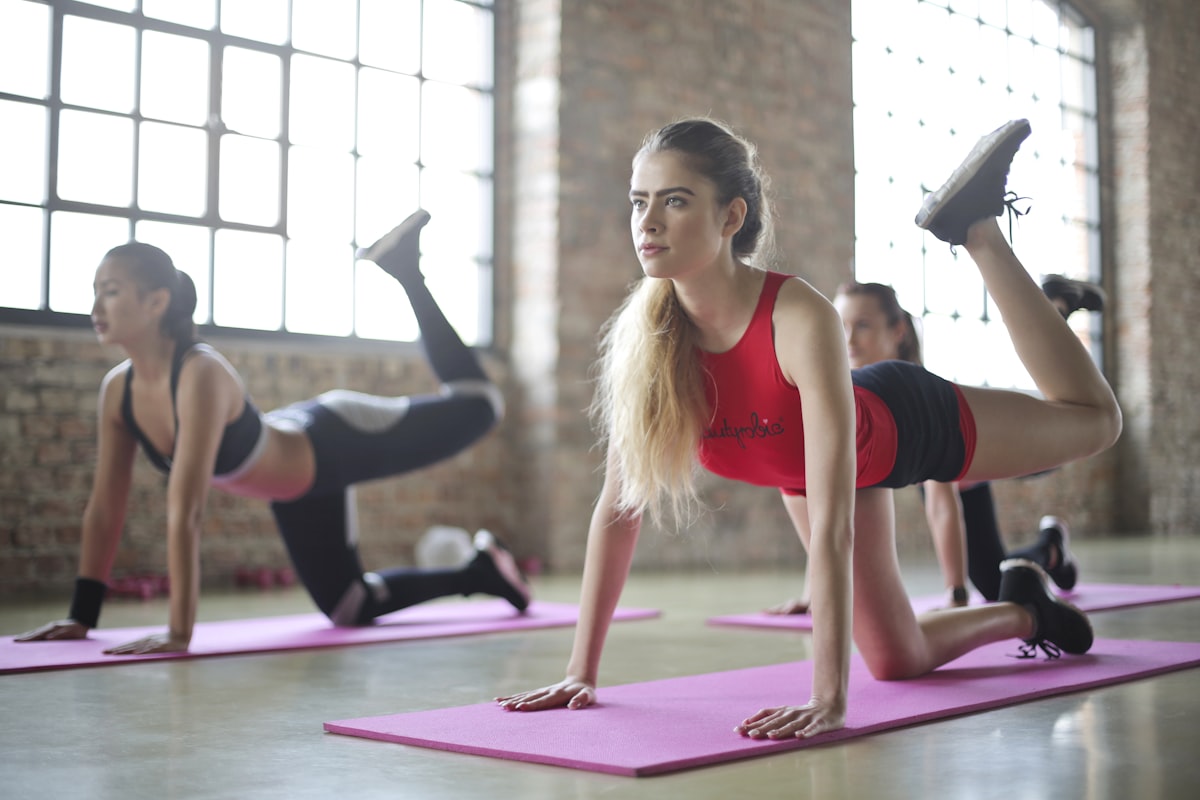
When riders come to my classes at Alchemize Pilates, I don’t hand them a generic workout. A snowboard-specific session follows a deliberate sequence:
- Breath and spinal warm-up — diaphragmatic breathing, pelvic tilts, cat-cow on the carriage to wake up the deep stabilizing system.
- Foot and ankle activation — single-leg footwork on the reformer with varying foot positions; toe curls and arch lifts against light springs.
- Hip and glute stabilization — lateral leg work in side-lying, clamshells with carriage resistance, single-leg bridges with the feet on the bar.
- Rotational core work — oblique-focused exercises like twist and reach, rotating planks, and mermaid stretches that mirror the torsion demands of toeside-to-heelside transitions.
- Eccentric quad and hamstring loading — slow, controlled squats on the carriage with medium-to-heavy springs, emphasizing the lowering phase. This is where we build the “braking” strength snowboarding requires.
- Balance integration — standing work on the reformer platform with eyes closed, single-leg balances on the carriage, and dynamic reaching patterns that mimic terrain response.
Sessions typically run 50 minutes. I recommend two sessions per week during preseason (September through November here in Utah) and one session per week during the riding season to maintain gains without adding fatigue.
Pilates for Snowboarders Injury Prevention Utah: The Preseason Timeline
Timing matters. I tell every rider who walks into my studio the same thing: give me eight weeks before your first day on the mountain. Here’s why that number isn’t arbitrary.
Connective tissue — tendons, ligaments, fascia — adapts more slowly than muscle. Research published in the Journal of Orthopaedic & Sports Physical Therapy suggests that meaningful tendon remodeling requires approximately 6-12 weeks of progressive loading. If you start Pilates in December but your season begins at Thanksgiving, you’ve missed the window where tissue-level adaptation actually protects you.
Start in September. Build through October. Refine in November. Ride all winter without dread.
That’s the cadence I recommend. If you’re reading this mid-season and haven’t started yet, it’s not too late — but be honest with yourself about where you’re starting. We meet you there. You can book your first session here any time of year.
Beyond the Reformer: What Else Helps
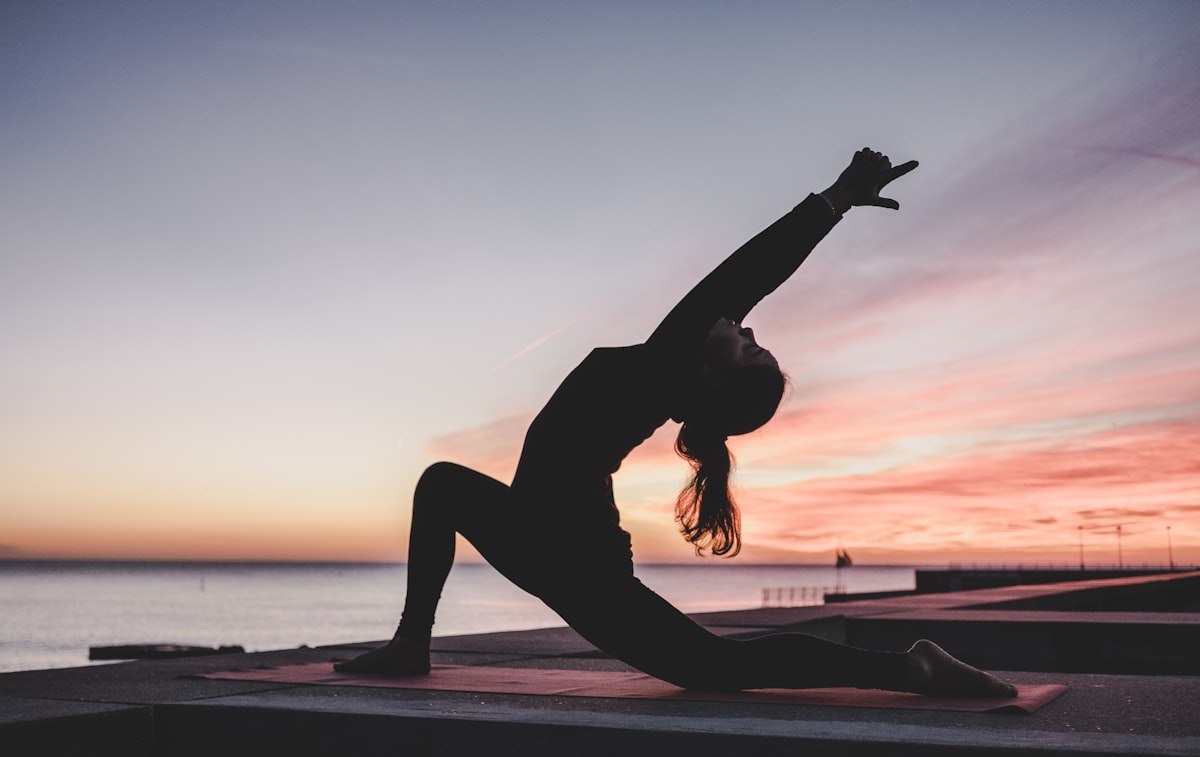
I’m not going to pretend Pilates is the only tool you need. Honesty matters more than brand loyalty. Here’s what I recommend alongside your reformer practice:
- Mindfulness and breathwork — Panic on the mountain causes rigid, protective muscle guarding that increases injury risk. Even five minutes of daily breath practice rewires that response. Yoga practitioners already know this.
- Strength training — Heavy squats, deadlifts, and Nordic hamstring curls build raw force production that Pilates alone doesn’t maximize. I see the best outcomes in clients who do both.
- Cardiovascular fitness — Fatigue is one of the greatest predictors of injury. Your last run of the day is when most injuries happen. Build endurance with hiking, cycling, or trail running along the Wasatch trails.
- Wrist guards and proper equipment — No amount of core strength replaces a good wrist guard for beginners and intermediates. Wear them without ego.
Pilates is the connective thread. It teaches your body to integrate all of that other training into coordinated, reflexive movement. That’s what Joseph Pilates meant by “whole body health.”
Why Utah Riders Come to Alchemize
Utah has some of the best snow on the planet. We also have some of the most motivated athletes I’ve ever worked with — people who won’t let a preventable injury steal their season. That’s why I built Alchemize Pilates the way I did: small class sizes, reformer-based instruction, and a teaching philosophy rooted in functional anatomy rather than choreography.
I’m a certified Pilates instructor with additional training in corrective exercise and movement screening. You can learn more about my background and philosophy here. What I bring to every session is genuine curiosity about how your body moves — and a stubborn refusal to let you settle for compensatory patterns that will cost you later.
My studio serves riders from across the Wasatch Front — Salt Lake City, Sandy, Draper, Cottonwood Heights, Lehi, and beyond. Whether you’re a weekend warrior at Brighton or a Park City local chasing early-season turns, the work is the same: build resilience before you need it.
Frequently Asked Questions
How often should snowboarders do Pilates for injury prevention?
I recommend two reformer Pilates sessions per week during preseason (8-12 weeks before your first day on the mountain) and one session per week during the active riding season. This frequency allows for tissue adaptation, neuromuscular improvement, and recovery without overloading your body during heavy riding weeks.
Can Pilates help if I’ve already had a snowboarding knee injury?
Yes. Reformer Pilates is one of the best post-rehab modalities for knee injuries because it allows controlled, low-impact loading with adjustable spring resistance. I work with clients who have had ACL reconstructions, meniscus repairs, and chronic patellofemoral issues. We always coordinate with your physical therapist or orthopedic provider to ensure safe progression.
Is reformer Pilates better than mat Pilates for snowboarders?
For snowboard-specific injury prevention, I strongly prefer the reformer. The spring resistance system allows eccentric loading that mimics the deceleration demands of riding, and the moving carriage challenges balance and proprioception in a way mat work alone cannot replicate. Mat Pilates is still valuable, but the reformer gives us more tools for sport-specific preparation.
Do I need to be flexible or fit to start Pilates as a snowboarder?
Not at all. Some of my most rewarding sessions are with riders who show up stiff, tight, and honestly a little nervous. The reformer meets you where you are — springs adjust, exercises modify, and progression happens at your pace. Flexibility and fitness are outcomes of the practice, not prerequisites.
Where in Utah can I find Pilates classes designed for snowboarders?
Alchemize Pilates in Draper, Utah, offers reformer classes with a focus on functional movement and sport-specific injury prevention — including programming tailored for snowboarders and skiers along the Wasatch Front. You can explore our class formats and get in touch to book at alchemizepilatesbybianca.com.
The mountains aren’t going anywhere. But your ability to enjoy them pain-free? That requires intention. Pilates for snowboarders injury prevention Utah isn’t a trend — it’s the smartest thing you can do for a body that loves to ride. Start before the snow flies. Your future self, standing at the top of a chute with a body that feels ready, will thank you.
— Bianca

Leave a Reply