
Pilates for Lymphatic Drainage and Detox Benefits: What Actually Happens in Your Body
There’s a reason my clients along the Wasatch Front — from Sandy to Draper to Park City — keep telling me they feel “lighter” after class. Not just stronger. Not just more flexible. Lighter. Like something shifted internally. When we talk about Pilates for lymphatic drainage and detox benefits, we’re talking about that feeling. But more importantly, we’re talking about real physiology — a system in your body that depends on movement to function, and a practice that’s quietly, beautifully designed to support it.
This isn’t a wellness fad. This is your body doing what it was built to do, with the right kind of help.
Your Lymphatic System: The Detox System Nobody Talks About

How Pilates supports lymphatic drainage: Pilates uses rhythmic, controlled movements, deep diaphragmatic breathing, and muscle contractions — especially in the core and legs — to stimulate lymph flow. Unlike the cardiovascular system, the lymphatic system has no pump; it depends entirely on muscle movement and breathing to circulate fluid and remove waste from the body.
Your lymphatic system is a vast network of vessels, nodes, and organs that runs parallel to your blood vessels. It carries a clear fluid called lymph, which contains white blood cells, waste products, and cellular debris. Its job: filter out toxins, fight infection, and maintain fluid balance throughout your tissues.
Here’s the critical detail. Your heart pumps blood. Nothing pumps lymph. It moves only when you move — through muscle contraction, gravity changes, and deep breathing. When you’re sedentary, lymph stagnates. Fluid pools. You feel puffy, sluggish, heavy. Your immune system slows down.
This isn’t fringe science. The lymphatic system was described in medical literature as far back as the 17th century, and modern research continues to confirm that physical activity is the single most effective way to promote lymphatic circulation. The type of movement matters, though. And that’s where Pilates enters the conversation.
How Pilates for Lymphatic Drainage and Detox Benefits Actually Works
Not all exercise stimulates lymphatic flow equally. High-impact workouts can certainly get things moving, but they also create significant cortisol spikes and inflammatory responses. Pilates — particularly reformer Pilates — hits a sweet spot: enough muscular engagement to pump lymph, enough breath control to amplify it, and enough mindfulness to reduce the stress hormones that impair detox pathways.
Let me break down the specific mechanisms I see working in my studio every day:
1. Deep Diaphragmatic Breathing
Every Pilates session I teach begins and ends with breath. Not arbitrary breathing — specific, lateral rib-cage expansion that engages the diaphragm fully. The thoracic duct, your body’s largest lymphatic vessel, runs right through the diaphragm. Each deep breath creates a pressure change that physically pumps lymph upward through this duct and back into circulation. Joseph Pilates himself, when he developed the method in the 1920s, called it “the internal shower.”
He wasn’t wrong.
2. Rhythmic Muscle Contractions
On the reformer, we work through controlled, repetitive movements — footwork, leg circles, arm pulls — that rhythmically contract and release muscles. This contract-release cycle is exactly what lymph vessels need. The gentle compression squeezes lymph forward through one-way valves. Think of your muscles as the pump your lymphatic system doesn’t have.
3. Core Engagement and Abdominal Work
The abdominal region houses a dense concentration of lymph nodes — the mesenteric nodes, the cisterna chyli. Every time you engage your deep core in Pilates (which is essentially the entire session), you’re directly compressing and releasing this region, stimulating lymphatic drainage through the gut and torso.
4. Inversions and Position Changes
Reformer Pilates includes movements where your legs are elevated, your body is on an incline, and you’re shifting between positions. These gravity changes assist lymphatic return from the lower extremities — especially helpful for clients who stand or sit all day. I see this frequently with my clients in Salt Lake City and Lehi who work desk jobs. Their legs feel lighter after just one class.
5. Reduced Cortisol, Improved Flow
Chronic stress doesn’t just feel bad. It constricts lymph vessels and slows immune response. Pilates, with its meditative focus and controlled tempo, has been shown in studies to lower cortisol levels. Less cortisol means more open pathways for lymphatic fluid to move through.
What Detox Actually Means (And What It Doesn’t)
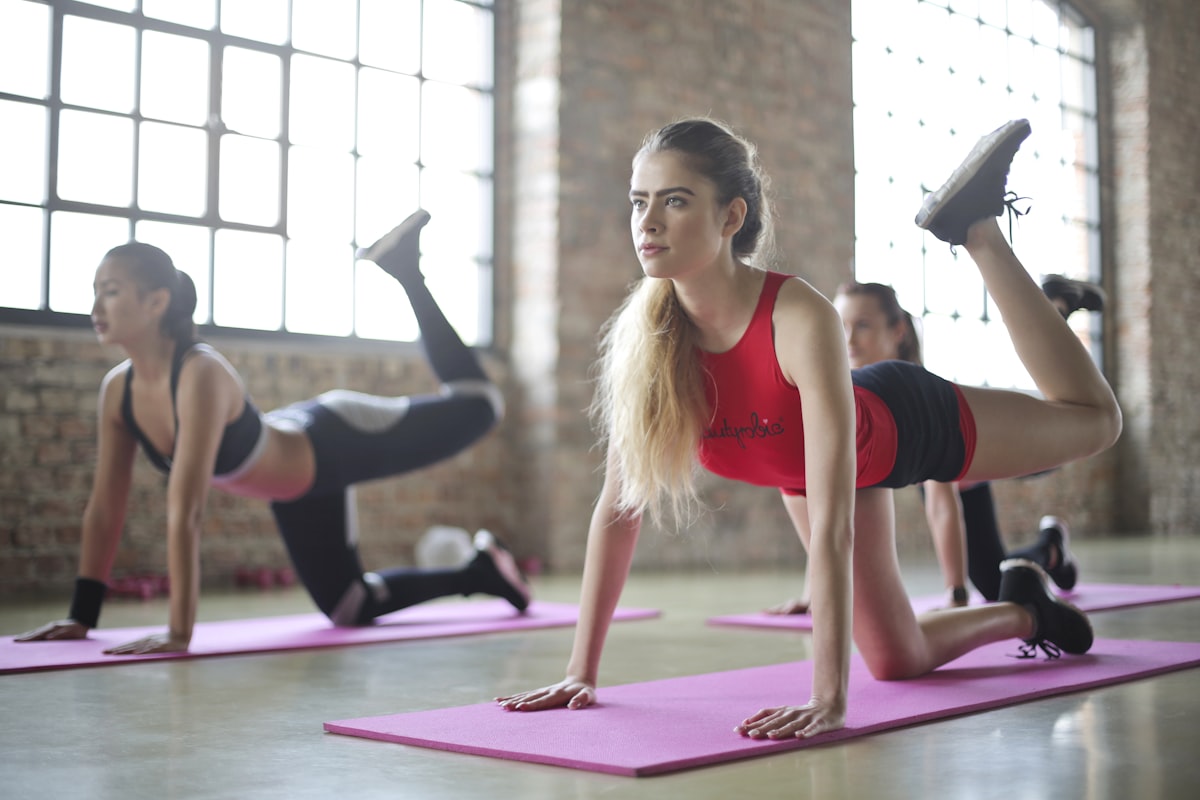
I want to be honest here, because I think honesty matters more than hype.
Your body detoxes through your liver, kidneys, lungs, skin, and lymphatic system. No single exercise, juice, or supplement “detoxes” you in isolation. What Pilates does — and does remarkably well — is support these systems. It keeps the lymph moving. It deepens the breathing that helps your lungs expel CO2 and volatile compounds. It improves circulation to your liver and kidneys. It promotes sweating.
Pilates doesn’t replace your organs. It gives them better working conditions.
I tell my clients this: think of Pilates as turning on the plumbing. The pipes are already there. The system already works. But if nothing is pushing fluid through, everything backs up. Movement — the right kind of movement — keeps the water flowing.
Signs Your Lymphatic System Needs Support
In my years of teaching along the Wasatch Front, I’ve noticed patterns. Clients come in with complaints that don’t quite fit into a tidy diagnosis. And often, once they start a consistent Pilates practice, these things shift:
- Persistent puffiness — especially in the face, ankles, and hands in the morning
- Frequent low-grade illness — colds that hang on, feeling “run down” for weeks
- Skin issues — dullness, breakouts, or unexplained rashes
- Brain fog and fatigue — not resolved by sleep alone
- Stiffness and heaviness — especially after long periods of sitting
- Digestive sluggishness — bloating that doesn’t connect to specific foods
I’m not diagnosing anything. I’m telling you what I observe. And what I observe is that people who move consistently on the reformer — two to three times per week — start reporting these symptoms fading within the first month.
If you’re new to reformer Pilates and curious about starting, I created a detailed beginner’s guide to your first reformer class in Utah that walks through exactly what to expect.
Why Reformer Pilates Is Especially Effective for Lymphatic Health

Mat Pilates is wonderful. Yoga supports lymphatic flow. Walking is foundational. I’ll never dismiss other movement forms — they all contribute. But the reformer offers something unique for lymphatic drainage specifically:
- Spring resistance creates sustained, even muscle engagement — the ideal compression pattern for lymph vessels
- The gliding carriage allows for smooth, flowing movements that don’t jar or spike inflammation
- Variable positioning — supine, seated, kneeling, standing — means you’re changing your relationship to gravity constantly, encouraging multi-directional lymph flow
- Full-body integration — unlike isolated exercises, reformer sequences connect arms, legs, and core in chains, creating a “wave” of muscular contraction that pushes lymph systemically
This is why my classes at Alchemize Pilates are structured the way they are — flowing, breath-driven, full-body. Every sequence has a purpose. And part of that purpose, whether we name it or not, is lymphatic support.
Building a Practice That Supports Ongoing Detox
Consistency matters more than intensity. One powerful class won’t overhaul your lymphatic system. But two to three sessions per week? That creates a cumulative effect. Lymph flow improves. Tissue fluid balance normalizes. Your immune system has room to do its job.
Here’s what I recommend to my clients in Cottonwood, Draper, and across Utah County:
- Start with two reformer sessions per week. Give your body time to adapt, especially if you’ve been sedentary.
- Hydrate before and after. Lymph is primarily water. Dehydration thickens lymph fluid and slows flow.
- Don’t skip the breath cues. I know they seem simple. They’re doing more internal work than the hardest leg series.
- Add daily walking. Even 20 minutes. The calf muscles are sometimes called the “second heart” for lymphatic return from the legs.
- Be patient. Most clients feel changes within two to four weeks. Deeper shifts — clearer skin, better immunity, reduced puffiness — build over two to three months.
If you want to understand my teaching philosophy and why I built Alchemize Pilates the way I did, you can read more about my background here.
Pilates for Lymphatic Drainage and Detox Benefits: The Quiet Transformation
This isn’t the kind of benefit you’ll see on a before-and-after photo. Nobody takes a selfie of improved lymphatic circulation. But you’ll feel it. The morning puffiness that gradually stops showing up. The energy that starts arriving without caffeine. The skin that looks a little brighter. The cold season that passes without taking you down.
These are the quiet transformations. The ones that happen inside the body first, then slowly become visible on the outside.
Pilates for lymphatic drainage and detox benefits is not a trend I’m selling. It’s a physiological reality I witness in my studio every week. Your body already knows how to detox. Pilates just reminds it how.
— Bianca
Frequently Asked Questions
How does Pilates help with lymphatic drainage?
Pilates stimulates lymphatic drainage through deep diaphragmatic breathing, rhythmic muscle contractions, core engagement, and positional changes that use gravity to move lymph fluid. Since the lymphatic system has no pump of its own, it relies entirely on muscle movement and breathing — both of which are central to Pilates practice.
How often should I do Pilates for detox and lymphatic benefits?
Two to three reformer Pilates sessions per week is ideal for consistent lymphatic support. Most clients begin noticing reduced puffiness, improved energy, and better overall well-being within the first two to four weeks of a regular practice. Consistency matters more than intensity.
Is reformer Pilates better than mat Pilates for lymphatic drainage?
Both are beneficial, but reformer Pilates offers advantages for lymphatic drainage. The spring resistance provides sustained, even muscle compression; the gliding carriage enables smooth, flowing movements; and the variety of positions — supine, kneeling, standing — creates multi-directional lymph flow that mat work alone may not achieve as effectively.
Can Pilates reduce bloating and puffiness?
Yes. Many clients report reduced facial and ankle puffiness and less bloating after establishing a regular Pilates practice. This is largely attributed to improved lymphatic circulation and fluid balance, along with the deep core engagement that stimulates the concentration of lymph nodes in the abdominal region.
Does Pilates actually detox your body?
Pilates supports your body’s natural detoxification systems — it doesn’t replace them. Your liver, kidneys, lungs, skin, and lymphatic system handle detoxification. Pilates enhances their function by improving circulation, deepening breathing, promoting lymph flow, and reducing cortisol levels that can impair these pathways.

Leave a Reply