
Pilates for Tight Hamstrings: Flexibility Exercises That Actually Work
If you’ve ever reached for your toes and felt a wall of tension behind your knees, you know the frustration. Tight hamstrings are one of the most common complaints I hear from clients walking into my studio for the first time — especially from desk workers, runners, and hikers here along the Wasatch Front. The good news: Pilates for tight hamstrings flexibility exercises offers one of the most effective, sustainable paths to real change. Not the aggressive, bounce-into-a-stretch kind. The kind that lasts.
I’ve spent years watching people transform their hamstring mobility on the reformer and mat. Not overnight. But consistently, deeply, and without the injuries that come from forcing length into tissues that aren’t ready. Let me show you what I’ve learned.
Why Your Hamstrings Are So Tight (And Why Stretching Alone Doesn’t Fix It)

Before we get into the exercises, let’s talk about why your hamstrings feel like steel cables.
Most people assume the problem is that the muscle is short. Sometimes that’s true. But more often, what I see in my studio is hamstrings that are tight because they’re overworked. They’re gripping to compensate for weak glutes, a tilted pelvis, or an unstable core. Your hamstrings are doing a job that isn’t theirs, and they’re locked down in protest.
Here in Utah, I see this pattern in almost every population. Skiers who sit in their quads all winter and let the hamstrings take over hip extension. Office workers in Draper and Sandy who sit eight hours a day with their pelvis tucked under. Trail runners in Cottonwood who never cool down after a canyon run. The hamstring tension is a symptom. Pilates treats the cause.
This is the fundamental difference between Pilates and simple static stretching. A 30-second hamstring stretch might feel good in the moment, but if the underlying movement pattern doesn’t change, the tightness comes right back. I watch this cycle play out constantly — until someone finally steps onto a reformer.
Pilates for Tight Hamstrings Flexibility Exercises: My Top 7
These are the exercises I return to again and again with my clients. Some are mat-based, some use the reformer, and all of them address hamstring length and the stability patterns that let that length stick around.
1. Supine Leg Circles (Mat)
Lie on your back. One leg reaches to the ceiling. Circle the leg slowly — the size of a dinner plate, no bigger. Keep your pelvis absolutely still. This isn’t about the circle. It’s about your hamstring moving through range while your core holds the frame. I cue this in almost every session because it teaches the nervous system that it’s safe to let the hamstring lengthen.
2. Footwork on the Reformer (Light Spring)
Most people think of footwork as a quad exercise. But when I drop the spring resistance and slow down the return, it becomes a gorgeous eccentric hamstring exercise. The key: control the carriage back in. Don’t let it slam. That slow, resisted return builds hamstring strength at length — exactly what tight muscles need.
3. Single Leg Stretch with Hamstring Emphasis
From a classic single leg stretch position, I ask clients to extend the long leg lower and reach through the heel. It changes everything. The hamstring of the extended leg gets a dynamic lengthening cue while the core holds the show together. If you want to try this in one of our group reformer classes, you’ll feel the difference immediately.
4. Elephant on the Reformer
This is the exercise that changed my own hamstring flexibility. Hands on the footbar, feet on the carriage, hips piked to the sky. Press the carriage back with control, pull it home with your deep abdominals. Your hamstrings lengthen under load while your spine stays long. It’s humbling and brilliant.

5. Spine Stretch Forward (Mat)
Sit tall with legs extended. Reach forward, articulating through each vertebra. The magic here isn’t touching your toes — it’s the spinal flexion combined with the hamstring stretch. Joseph Pilates developed this exercise in the 1920s as part of his original mat sequence, and it endures because it works. The seated position gives your hamstrings nowhere to hide.
6. Standing Single Leg Press (Reformer)
One foot on the platform, one on the carriage. Bend the standing leg while the carriage slides back. This mimics a split squat but with the spring giving feedback. The rear leg’s hamstring gets a beautiful eccentric stretch, and you’re building single-leg stability at the same time. For hikers and trail runners in Park City and Utah County, this is a game-changer.
7. Roll Down with Strap Assist (Reformer)
Feet in the straps, legs to the ceiling. Slowly lower one leg at a time while maintaining pelvic neutral. The straps provide just enough support that your nervous system relaxes, letting the hamstring release further than it would on its own. I use this with nearly every new client. If you’re curious about what a first session looks like, I wrote a full beginner’s guide to your first reformer class that walks through what to expect.
How Often Should You Do Hamstring Flexibility Work?
Consistency matters more than intensity. I tell every client the same thing: three sessions per week will transform your hamstring flexibility within six to eight weeks. Two sessions will get you there in ten to twelve. One session per week maintains what you have but won’t create dramatic change.
The reformer accelerates results because of the spring resistance. Springs allow for eccentric loading — the muscle lengthens while under tension, which creates lasting flexibility changes at the tissue level. A 2019 study in the Journal of Bodywork and Movement Therapies found that Pilates-based interventions significantly improved hamstring flexibility compared to static stretching protocols, particularly in participants who trained two to three times per week.
I also encourage my clients to do a five-minute morning routine on non-studio days. A few leg circles, a roll-down, a standing forward fold. Nothing aggressive. Just a conversation with the tissue, reminding it where you’re headed.
Pilates for Tight Hamstrings: What Makes It Different From Yoga or Static Stretching?
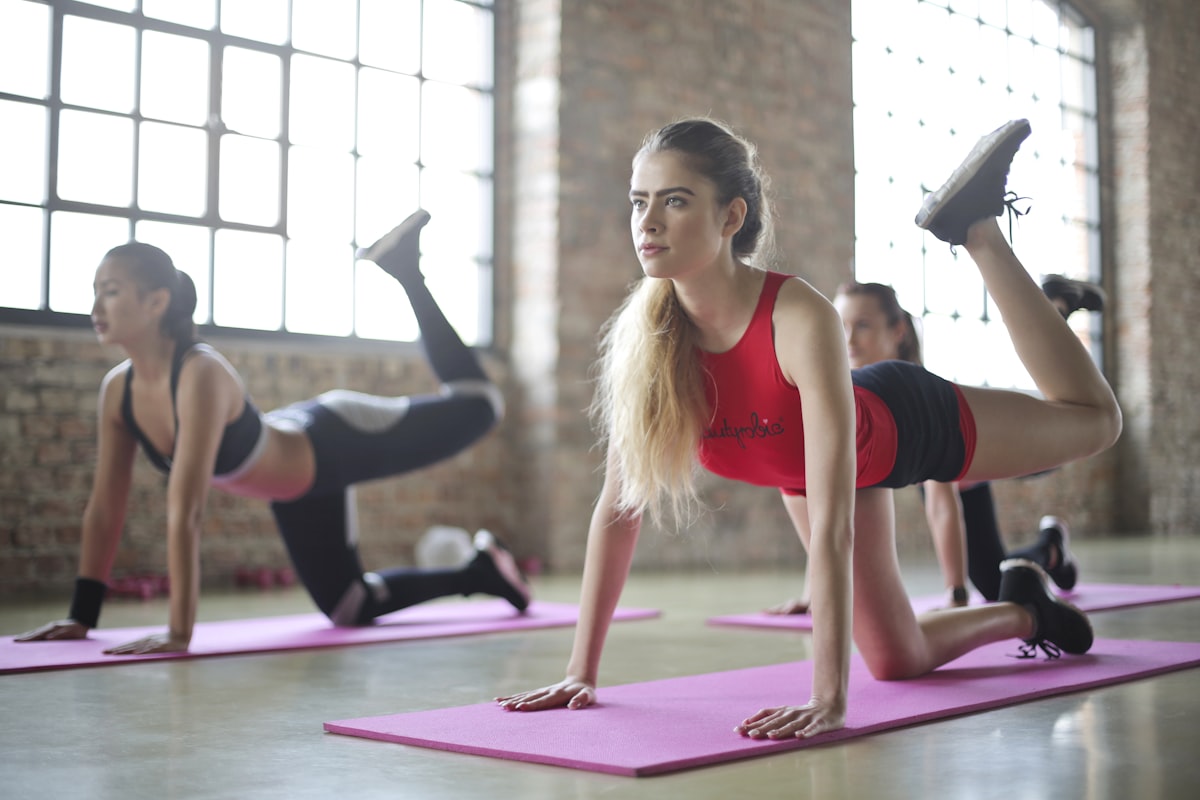
I respect yoga. I’ve practiced it. I’ve referred clients to wonderful yoga teachers here in Salt Lake City and Lehi. But the approach is fundamentally different.
Yoga tends to hold long passive positions, letting gravity do the work. Pilates uses dynamic, controlled movement with resistance. Both can improve range of motion — but Pilates simultaneously builds the strength to support that new range. That’s the part most people miss. Flexibility without strength is just instability wearing a pretty dress.
Static stretching has its place too, especially post-workout. But as a standalone strategy for chronic hamstring tightness? I’ve seen it fail too many times. The stretch feels good. The tightness returns by afternoon. Pilates breaks that cycle because it retrains movement patterns, not just tissue length.
- Static stretching: Lengthens tissue temporarily; doesn’t address compensation patterns
- Yoga: Builds flexibility and mindfulness; less emphasis on targeted muscular control
- Pilates: Combines eccentric lengthening, core stabilization, pelvic alignment, and spring resistance for lasting hamstring mobility
Who Benefits Most From These Exercises?
Honestly? Almost everyone. But the clients I see the most dramatic results with tend to fall into a few categories:
- Desk workers: Sitting shortens the hip flexors and locks down the hamstrings. If you commute to an office in Sandy, Draper, or anywhere along the Wasatch Front and sit most of the day, this is for you.
- Runners and cyclists: Repetitive forward motion tightens the posterior chain. Pilates introduces lateral and rotational movement that balances the body.
- Postpartum women: Pregnancy shifts pelvic alignment, often increasing hamstring tension. Pilates restores alignment gently and progressively.
- People recovering from low back pain: Tight hamstrings and low back pain are deeply connected. When the hamstrings release, the low back often follows.
- Active agers: Flexibility naturally decreases over time. Pilates slows and reverses that decline safely.
If any of that sounds like you, I’d love to have you in the studio. You can book your first session here and we’ll build a plan specific to your body.
A Note on Patience
I want to be honest with you. Hamstring flexibility doesn’t change overnight. If someone promises you full splits in two weeks, run the other direction (slowly, so you don’t strain anything).
What I can promise is this: if you show up consistently and move with intention, your body will respond. I’ve seen clients who couldn’t touch their knees eventually reach the floor. Not because they forced it. Because they earned it — through controlled, intelligent movement that respected the body’s timeline.
Your hamstrings are tight for a reason. Pilates doesn’t just override that reason. It solves it.
Frequently Asked Questions
How long does it take for Pilates to improve hamstring flexibility?
Most clients notice meaningful improvement within four to six weeks of consistent practice (two to three sessions per week). Significant change in hamstring range of motion typically occurs within eight to twelve weeks. Individual results depend on the severity of tightness, consistency, and whether other factors like pelvic alignment are addressed.
Is reformer Pilates better than mat Pilates for tight hamstrings?
Both are effective, but the reformer offers a unique advantage: spring resistance allows for eccentric loading, which lengthens the hamstring under tension. This creates longer-lasting flexibility changes compared to mat exercises alone. That said, a combination of both reformer and mat work produces the best results.
Can Pilates help with hamstring tightness caused by sitting all day?
Absolutely. Prolonged sitting creates a pattern of hip flexor shortening and hamstring gripping. Pilates addresses this by retraining pelvic alignment, strengthening the glutes, activating the deep core, and dynamically lengthening the hamstrings — all of which counteract the effects of sitting.
Should I stretch my hamstrings before or after Pilates?
Dynamic movement (like leg circles or gentle roll-downs) before class is ideal to warm the tissue. Save static stretching for after your session, when the muscles are warm and more receptive to lengthening. Pilates itself includes plenty of dynamic hamstring lengthening, so additional stretching beforehand is usually unnecessary.
Can tight hamstrings cause lower back pain?
Yes. Tight hamstrings pull on the pelvis, tilting it posteriorly, which flattens the natural lumbar curve and places stress on the lower back. Many clients who come to me with chronic low back pain see significant relief once their hamstring flexibility and pelvic alignment improve through Pilates.
Your Hamstrings Deserve Better
If you’ve been fighting tight hamstrings with the same old stretches and getting nowhere, it’s time for a different approach. Pilates for tight hamstrings flexibility exercises works because it treats the whole system — not just the muscle that’s screaming. It addresses your core, your pelvis, your movement habits, and the nervous system patterns that keep everything locked down.
I’d love to help you feel what real hamstring freedom is like. The kind where you bend forward without bracing. Where you hike Cottonwood Canyon and your legs feel long and easy on the descent. Where your body finally cooperates instead of resists.
That transformation is available to you. Come find it on the reformer.
— Bianca

Leave a Reply