
Reformer Pilates During Pregnancy: Is It Safe? A Real Instructor’s Honest Take
One of the most common questions I hear — in my studio, in DMs, and at prenatal workshops along the Wasatch Front — is this: reformer Pilates during pregnancy, is it safe? It’s the right question to ask. You’re growing a whole human. You should be cautious about what you put your body through. And honestly, I love that you’re researching instead of just guessing. The short answer? For most healthy pregnancies, reformer Pilates can be one of the best forms of movement you do for nine months. But the real answer needs more nuance. So let’s walk through it together.
So — Is Reformer Pilates During Pregnancy Safe?
Quick answer: Yes — for most low-risk pregnancies, reformer Pilates is considered safe and even beneficial when supervised by a qualified instructor who understands prenatal modifications. It strengthens the pelvic floor, improves posture, reduces back pain, and supports a smoother labor and recovery. Always obtain clearance from your healthcare provider before beginning or continuing any exercise program during pregnancy.
That snippet is your baseline. Now let me tell you what I’ve seen in practice — because data and lived experience aren’t always the same thing.
I’ve worked with dozens of pregnant clients at Alchemize Pilates, from first-timers discovering the reformer at eight weeks to experienced athletes maintaining their practice into the third trimester. No two pregnancies are the same. What I can tell you is this: when the programming is thoughtful and the instructor is paying attention, the reformer becomes an incredibly supportive tool for a pregnant body.

Why the Reformer Is Uniquely Suited for Prenatal Exercise
The reformer isn’t just a fancy piece of equipment. It’s a system of springs, a gliding carriage, straps, and a foot bar that creates adjustable resistance. That adjustability is everything during pregnancy.
Here’s what makes it different from mat work or free weights:
- Spring tension can be modified week by week. As your body changes, the resistance meets you where you are. Lighter springs in the third trimester. Heavier springs when you need more support. It’s not one-size-fits-all.
- The carriage supports your body weight. Lying on a moving carriage reduces the load on joints that are already loosened by relaxin — the hormone responsible for ligament laxity during pregnancy.
- Supine work can be modified. After the first trimester, lying flat on your back isn’t recommended for extended periods. On the reformer, we use an incline or shift to side-lying and seated positions easily.
- Low-impact, high-intention movement. There’s no jarring. No jumping (we skip the jump board for prenatal clients). Just controlled, purposeful muscle engagement.
Joseph Pilates originally called his method “Contrology” — the art of controlled movement. That philosophy translates beautifully into prenatal work. You’re not chasing fatigue. You’re building awareness, stability, and strength that serve you during birth and beyond.
What I Modify for Pregnant Clients (Trimester by Trimester)
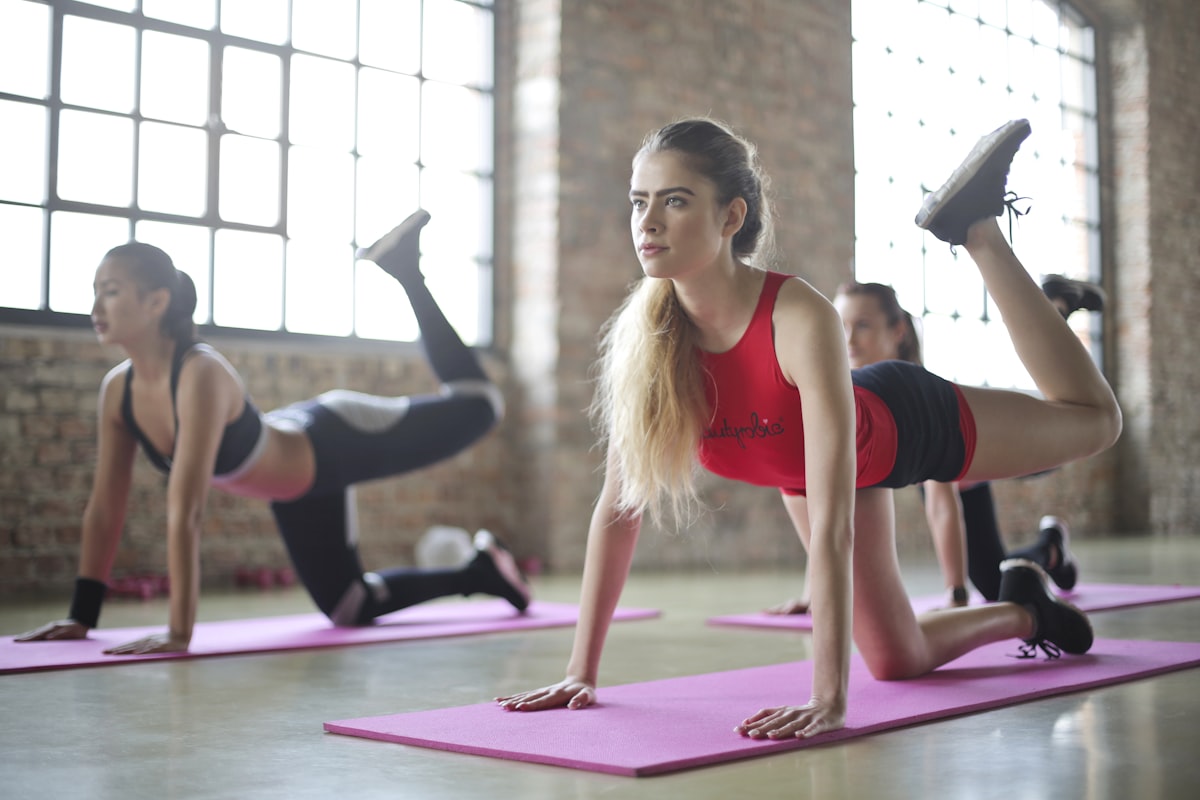
I’m not going to pretend every exercise in my regular class lineup is appropriate for pregnancy. It isn’t. Modifications aren’t a weakness — they’re the entire point of intelligent programming.
First Trimester (Weeks 1–12)
If you’ve been doing Pilates before pregnancy, we often continue your current programming with small adjustments. Nausea and fatigue are common, so I watch energy levels closely. Deep abdominal work like the hundred can continue in a modified form, but I begin teaching diaphragmatic breathing and pelvic floor awareness early. Building that mind-body connection now pays off enormously later.
Second Trimester (Weeks 13–27)
This is often when pregnant clients feel the most energized. We shift away from prone (face-down) positions and limit supine work. The reformer shines here — footwork in a semi-reclined position, seated arm work with straps, side-lying leg series for hip stability. I add more glute and upper back strengthening because the postural changes of pregnancy are accelerating. We also focus heavily on thoracic spine mobility. Your ribcage is expanding. Let’s help it move well.
Third Trimester (Weeks 28–40)
We dial back intensity but not intention. Standing work at the foot bar, gentle hip openers, pelvic floor releases (yes, releasing is just as important as engaging), and breath work become the focus. Some clients practice all the way to 39 weeks. Others stop at 34. I follow their lead and their provider’s guidance. There is no finish line to hit.
When Reformer Pilates During Pregnancy Is NOT Safe
I want to be transparent here. This isn’t a blanket green light.
There are conditions where exercise during pregnancy — including reformer Pilates — may be contraindicated. These include but are not limited to:
- Placenta previa after 26 weeks
- Preeclampsia or pregnancy-induced hypertension
- Incompetent cervix or cerclage
- Persistent second- or third-trimester bleeding
- Premature labor in the current pregnancy
- Ruptured membranes
- Severe anemia
The American College of Obstetricians and Gynecologists (ACOG) maintains guidelines for exercise during pregnancy, and they recommend that all pregnant individuals consult their healthcare provider before starting or continuing an exercise regimen. I require a provider’s clearance for every prenatal client in my studio. No exceptions.
I’m a Pilates instructor, not a doctor. I know my lane. And my lane is helping you move well within the parameters your medical team sets.
The Benefits I See With My Own Eyes

Research supports prenatal Pilates for reducing low back pain, improving sleep quality, maintaining cardiovascular fitness, and supporting mental health. But here’s what I see in my studio and across the Salt Lake valley that doesn’t always make it into studies:
- Confidence. My prenatal clients feel capable. They understand their changing bodies instead of fearing them.
- Connection. The breathwork and pelvic floor awareness we practice on the reformer gives them tools for labor. Real, usable tools.
- Faster postpartum recovery. Clients who practiced throughout pregnancy consistently report feeling stronger and more resilient in the fourth trimester. Their bodies remember the movement patterns.
- Community. Pregnancy can be isolating. Walking into a studio where other women are moving, sweating, and laughing together? That matters. Utah’s community culture is strong, and I see it reflected in how my clients show up for each other.
One client — let’s call her M — started reformer Pilates with me at 14 weeks. She’d never done Pilates before. She was nervous, stiff, and skeptical. If that sounds like you, I’d gently point you to our beginner’s guide to your first reformer class — because that first step is genuinely the hardest one. By 36 weeks, M was doing standing hip work and side-lying series with precision and joy. She told me after delivery that the breath control she learned in our sessions was the single most useful tool she had during labor. That story isn’t unique. I hear versions of it often.
How to Choose a Safe Prenatal Reformer Pilates Class in Utah
Not all Pilates is created equal. And not all instructors are trained in prenatal modifications. Here’s what to look for if you’re searching along the Wasatch Front — whether you’re in Draper, Lehi, Park City, or Utah County:
- Ask about prenatal training. Your instructor should have specific education in prenatal and postnatal exercise. A general Pilates certification is not enough. I hold certifications that include dedicated prenatal/postnatal programming, and I continue my education in this area every year.
- Small class sizes. A prenatal client in a class of 30 won’t get the attention she needs. At Alchemize, our classes are kept intentionally small so I can see you, correct form, and adjust springs in real time.
- Open communication. Your instructor should ask about your trimester, any complications, your energy level that day, and how you’re feeling — every single session. If they don’t ask, that’s a red flag.
- No ego, no pressure. A good prenatal class will never push you to “keep up.” If an instructor implies you should push through pain or fatigue, leave.
Getting Started: Reformer Pilates During Pregnancy Is It Safe — For You Specifically?
That’s the real question, isn’t it? Not whether it’s safe in general — but whether it’s safe for your body, your pregnancy, your circumstances.
Here’s the path I recommend:
- Talk to your OB, midwife, or maternal-fetal medicine specialist. Get written or verbal clearance.
- Find a qualified instructor with prenatal training. Ask questions. Don’t be shy about it.
- Start where you are. If you’ve never done Pilates, that’s fine. Pregnancy is actually a beautiful time to begin — because the body is so receptive to new movement patterns.
- Listen to your body every single session. Some days you’ll feel powerful. Some days you’ll need gentler work. Both are valid.
If you’re in the Salt Lake City area — Sandy, Cottonwood, Draper, or anywhere nearby — and you’d like to explore prenatal reformer Pilates in a safe, attentive environment, you can book a session with me here. I’ll want to know about your pregnancy history, your goals, and your concerns. We’ll build from there.
Reformer Pilates during pregnancy — is it safe? For the vast majority of healthy pregnancies, when guided by a knowledgeable instructor who modifies intelligently and communicates openly: yes. It’s more than safe. It’s one of the most intentional, empowering things you can do for yourself and the life you’re carrying.
Your body was made to do this. Let’s help it do it well.
— Bianca
Frequently Asked Questions
Can I start reformer Pilates for the first time while pregnant?
Yes, many clients begin reformer Pilates during pregnancy with no prior experience. The key is working with an instructor who is trained in prenatal modifications and starting with foundational movements. With proper guidance and medical clearance, pregnancy is actually an excellent time to begin Pilates because the body responds well to controlled, low-impact strengthening.
How often should I do reformer Pilates while pregnant?
Most prenatal clients benefit from two to three sessions per week. This provides enough consistency to build strength and body awareness without overtaxing the body. However, the right frequency depends on your trimester, fitness level, and how you’re feeling. Your instructor and healthcare provider can help you determine the best schedule.
When should I stop doing reformer Pilates during pregnancy?
There is no universal cutoff. Some clients practice comfortably until 39 or 40 weeks, while others stop earlier based on how they feel or their provider’s recommendations. Warning signs to stop and consult your doctor include vaginal bleeding, dizziness, chest pain, severe headaches, contractions, or leaking of amniotic fluid during or after exercise.
What exercises should be avoided on the reformer during pregnancy?
After the first trimester, avoid extended supine (flat on your back) positions, deep forward flexion that compresses the abdomen, jump board work, and any exercise that causes coning or doming of the abdominal wall. Prone (face-down) positions are also eliminated as the belly grows. A qualified prenatal Pilates instructor will know these modifications and implement them automatically.
Does prenatal reformer Pilates help with labor and delivery?
Many clients and healthcare providers report that prenatal Pilates supports labor through improved breath control, pelvic floor awareness, and overall endurance. While no exercise guarantees a specific birth outcome, the body awareness and core stability developed through reformer Pilates can help you feel more prepared and confident going into delivery.

Leave a Reply