Pilates Pelvic Floor Exercises: What Actually Works (And What I Wish More People Knew)
There’s a conversation happening in nearly every class I teach—whispered after a footwork series or asked quietly before we start. It’s about the pelvic floor. And the truth is, pilates pelvic floor exercises are one of the most effective ways to rebuild strength, coordination, and confidence in this part of the body. But they’re also one of the most misunderstood. Here along the Wasatch Front—from Sandy to Draper to Lehi—I work with women every week who’ve been told to “just do Kegels” and feel frustrated that nothing seems to change. Pilates offers something deeper. Let me show you what I mean.
What Are Pilates Pelvic Floor Exercises, Really?
Pilates pelvic floor exercises are movements that coordinate the deep stabilizing muscles of the pelvis—including the pelvic floor, transverse abdominis, diaphragm, and multifidus—through breath-driven, whole-body patterns rather than isolated contractions. They train the pelvic floor to both engage and release, which is essential for true function.
Joseph Pilates developed his method in the 1920s with a core principle that the body works as an integrated unit. He didn’t use the phrase “pelvic floor,” but his entire system revolves around what he called the “powerhouse”—the deep cylinder of muscles between the ribs and hips. The pelvic floor is the base of that cylinder.
When I cue a client to exhale and draw the lower belly in during a bridging exercise on the reformer, I’m not asking for a Kegel. I’m asking for a coordinated response: the diaphragm lifts, the transverse abdominis wraps, and the pelvic floor gently lifts in response. That coordination is everything. An isolated squeeze can’t replicate it.
Why the Pelvic Floor Needs More Than Kegels
Let me be direct. Kegels aren’t bad. For some people they’re a useful starting point. But in my studio, I see client after client who has been doing hundreds of Kegels for months—sometimes years—with no improvement in leaking, heaviness, or pelvic pressure.
The issue? The pelvic floor doesn’t work in isolation. It’s part of a pressure system. When you breathe, move, lift, sneeze, or laugh, your diaphragm, abdominal wall, and pelvic floor must coordinate together. If one piece is too tight or too weak—or if the timing is off—symptoms persist.
Here’s what I commonly see in clients across Salt Lake City and Utah County:
- Overactive pelvic floors that are tight but weak—squeezing more makes things worse
- Poor breath coordination—holding breath during movement, which increases downward pressure
- Core muscles that grip rather than stabilize, creating more strain
- Disconnection—they literally can’t feel the pelvic floor engaging or releasing
Pilates addresses every one of these patterns. It’s why I became certified in pelvic health–informed Pilates in the first place. The reformer, in particular, provides the spring resistance and carriage feedback that help clients feel muscles they’ve lost connection with.
How I Teach Pilates Pelvic Floor Exercises on the Reformer
In my reformer Pilates classes, pelvic floor work isn’t a separate segment. It’s woven into everything we do. That’s by design. Here are some of the movements I find most effective:
1. Breath-Connected Bridging
Lying supine on the carriage, feet on the footbar. Inhale to prepare. Exhale, gently drawing the pelvic floor up and in as the hips peel off the carriage one vertebra at a time. The spring provides just enough resistance to fire the glutes and deep hip stabilizers without gripping. I cue the release on the inhale down—because learning to let go is just as important as learning to lift.
2. Supine Footwork with Breath Patterning
Basic footwork—pressing the carriage out and in—becomes a pelvic floor exercise when we layer intentional breath on top. Exhale to press out. Feel the gentle engagement. Inhale to return. Feel the release. I watch for rib flaring, breath holding, and jaw clenching. All signs the body is compensating.
3. Side-Lying Inner Thigh Series
The adductors (inner thighs) share fascial connections with the pelvic floor. When we work the inner thigh on the reformer—pressing a ball or using the strap—clients often feel a reflexive pelvic floor engagement they didn’t expect. This is one of my favorite “lightbulb” moments in teaching.
4. All-Fours Knee Hover
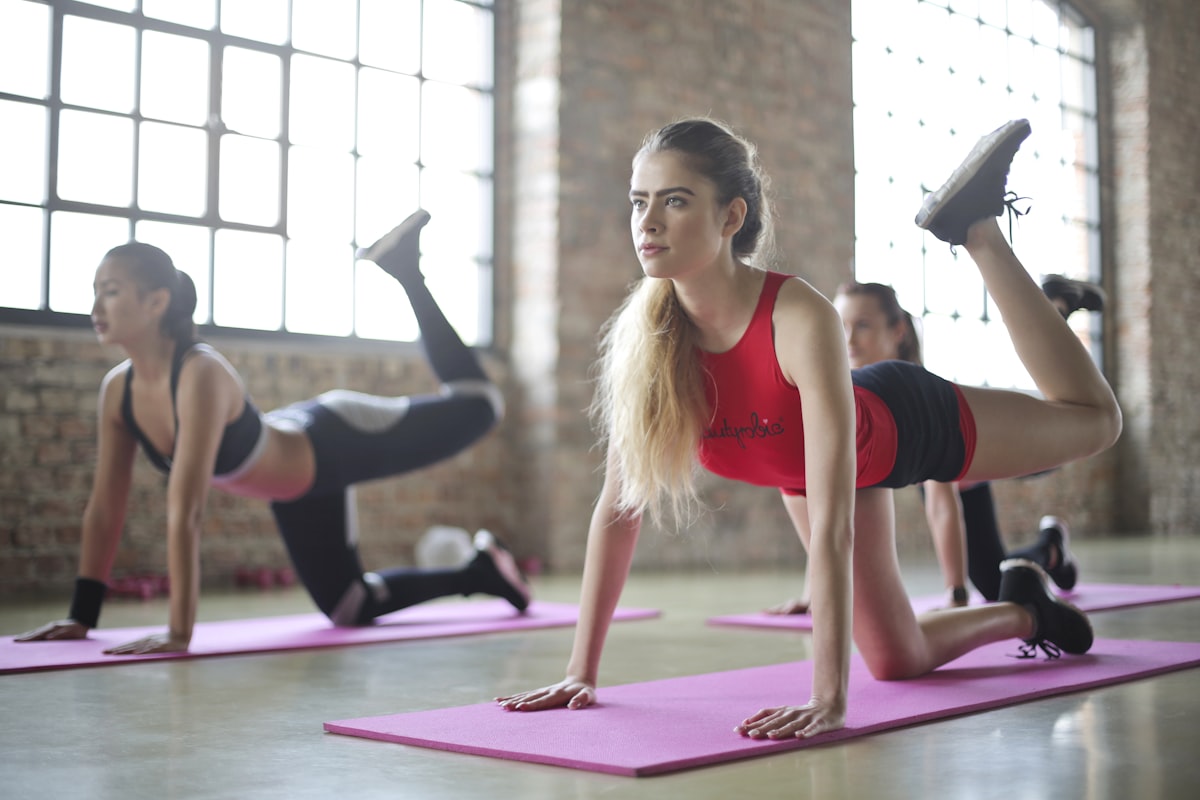
Hovering the knees just an inch off the carriage requires the entire deep core system to coordinate. No crunching. No gripping. Just quiet, steady activation. For many of my postpartum clients in the Cottonwood and Draper area, this is the exercise where they first feel their pelvic floor “turn on” again.
5. Standing Single-Leg Work
Once we’ve built awareness lying down, we take it vertical. Standing on one leg on the reformer platform while pressing the carriage with the other leg challenges balance, hip stability, and—yes—pelvic floor coordination under load. This is functional. This is life.
The Connection Between Breath and the Pelvic Floor
If there’s one thing I wish every person in Park City, Lehi, and everywhere in between understood, it’s this: your breath is pelvic floor exercise.
The diaphragm and pelvic floor move together like a piston. When you inhale, the diaphragm descends and the pelvic floor gently lengthens. When you exhale, the diaphragm rises and the pelvic floor reflexively lifts. This is natural. Automatic. Beautiful in its simplicity.
But stress, posture habits, pregnancy, surgery, and chronic tension can disrupt this rhythm. The diaphragm gets stuck. The pelvic floor stops responding. Holding your breath while exercising drives pressure downward, and suddenly you’re working against your own body.
In every session at Alchemize Pilates, we start with breath. Not because it’s trendy. Because it’s the foundation. Three-dimensional rib cage breathing—expanding into the sides and back of the ribs—restores the diaphragm’s range of motion and invites the pelvic floor back into the conversation.
Who Benefits Most from Pilates Pelvic Floor Exercises?
Honestly? Almost everyone. But I see the most dramatic shifts in these groups:
- Postpartum women — whether 6 weeks or 6 years after birth. The pelvic floor changes during pregnancy regardless of delivery method.
- Perimenopausal and menopausal women — hormonal shifts affect pelvic floor tissue integrity. Strength and coordination training helps.
- Runners and high-impact athletes — repetitive impact demands a responsive pelvic floor. Many athletes along the Wasatch Front come to me after experiencing leaking during runs.
- Anyone with chronic low back or hip pain — the pelvic floor is part of the deep stabilizing system. When it’s not doing its job, the back and hips compensate.
- Desk workers — prolonged sitting shortens the hip flexors and changes pelvic alignment, which affects pelvic floor position and function.
I want to be clear: Pilates is not a replacement for pelvic floor physical therapy. If you have significant prolapse, pain during intercourse, or urinary urgency that affects your daily life, please see a pelvic floor physiotherapist. I work alongside several excellent PTs in the Salt Lake City area and refer out regularly. Pilates can complement that care beautifully—and for many people, it’s the missing piece.
What to Expect When You Start
If you’ve never done reformer Pilates with a pelvic floor focus, here’s what the first few sessions typically look like at my studio:
Week 1-2: Awareness. We find the breath. We locate the pelvic floor—not just squeezing, but feeling the full range of engagement and release. Some clients cry. Not from pain. From reconnection.
Week 3-4: Integration. We begin layering pelvic floor awareness onto basic reformer movements—footwork, bridging, leg circles. The springs are light. The focus is precision.
Week 5-8: Strengthening. As coordination improves, we increase challenge. Heavier springs, more complex movement patterns, standing work. The pelvic floor starts responding automatically.
Beyond: Maintenance and progression. The pelvic floor is a muscle group. Like any other, it responds to consistent, progressive training. This isn’t a six-week fix. It’s a practice.
Ready to start? You can book your first session here and we’ll begin exactly where your body needs.
A Note on Shame and Silence
I need to say this. Pelvic floor dysfunction is incredibly common. Research published in the American Journal of Obstetrics and Gynecology estimates that roughly one in three women experience some form of pelvic floor disorder in their lifetime. It is not a personal failure. It is not just “part of being a mom.” And it is not something you need to silently endure.
In my studio, we talk about it openly. Not graphically. Not clinically. Just honestly. Because the moment we name what’s happening, it loses its power to isolate us. I’ve watched women transform—not just physically, but in how they carry themselves—when they realize their body isn’t broken. It just needs the right kind of attention.
Start with Pilates Pelvic Floor Exercises That Actually Change Something
If you’ve been searching for pilates pelvic floor exercises that go beyond squeezing and hoping, you’re in the right place. At Alchemize Pilates, every class I teach honors the pelvic floor as part of the whole body—not an afterthought, not a trend, but a foundation. Whether you’re coming from Sandy, Park City, or anywhere along the Wasatch Front, I’d love to guide you through this work. Explore our class offerings or book a session to begin.
— Bianca
Frequently Asked Questions
Is Pilates good for pelvic floor strengthening?
Yes. Pilates is one of the most effective movement methods for pelvic floor strengthening because it trains the pelvic floor as part of the entire deep core system—including the diaphragm, transverse abdominis, and multifidus—through breath-coordinated, whole-body movements rather than isolated contractions alone.
Can Pilates help with pelvic floor dysfunction?
Pilates can significantly help with many forms of pelvic floor dysfunction, including mild incontinence, pelvic pressure, and core disconnection. However, for more severe conditions like prolapse or chronic pelvic pain, it’s best used alongside care from a pelvic floor physiotherapist rather than as a standalone treatment.
Are Pilates pelvic floor exercises better than Kegels?
They serve different purposes, but for most people, Pilates pelvic floor exercises are more effective long-term because they train coordination, timing, and both engagement and release. Kegels only address the squeeze. Many people actually have overactive pelvic floors that get worse with more Kegels and improve with the balanced approach Pilates provides.
How soon after giving birth can I start Pilates for pelvic floor recovery?
Most practitioners recommend waiting until you’ve been cleared by your healthcare provider, typically around 6-8 weeks postpartum for vaginal birth and 8-12 weeks for cesarean birth. At Alchemize Pilates, we start gently with breath work and basic awareness before progressing to reformer exercises, meeting you exactly where your body is.
Can men benefit from Pilates pelvic floor exercises?
Absolutely. Men have pelvic floors too, and they can experience dysfunction—especially after prostate surgery, with chronic low back pain, or from high-impact activity. The breath coordination, deep core training, and full-body integration in Pilates benefit everyone regardless of gender.

Leave a Reply