
Pilates for Menopause Symptoms, Strength, and Mood: What I’ve Seen Transform in My Studio
Something shifts in midlife. You know it before you can name it — the disrupted sleep, the vanishing muscle tone, the fog that settles behind your eyes like a low Utah inversion. When I opened Alchemize Pilates, I didn’t plan to specialize in this conversation. But Pilates for menopause symptoms, strength, and mood became one of the most important things I teach — because my clients kept showing up and telling me the truth about what their bodies were going through. And the reformer kept answering.
If you’re a woman along the Wasatch Front — Salt Lake City, Draper, Sandy, Lehi, or anywhere in Utah County — navigating perimenopause or menopause, this post is for you. Not as a cure-all. As a real, honest look at what consistent reformer Pilates can and can’t do during this chapter.
Why Menopause Demands a Different Approach to Movement

Pilates supports menopause by building lean muscle mass, improving bone density, reducing anxiety, and stabilizing mood through controlled, low-impact resistance training — making it one of the safest and most effective movement practices for women in midlife transition.
Menopause isn’t a disease. But estrogen decline does real, measurable things to the body. After age 40, women can lose up to 8% of their muscle mass per decade. Bone density drops. Cortisol tends to run higher. Joint laxity changes. The cardiovascular system loses a layer of hormonal protection it once had.
What worked at 32 — the HIIT classes, the long runs, the “push through it” approach — often backfires now. I see this with my clients constantly. They come to me frustrated. They’ve been working harder and feeling worse. Cortisol is already elevated from menopausal hormone changes, and high-intensity exercise keeps pouring fuel on that fire.
Pilates meets the body where it actually is. The reformer offers spring-loaded resistance — progressive, adjustable, joint-friendly. You build real strength without spiking cortisol through the roof. You load the bones without pounding them. And you do it with the kind of slow, mindful control that the menopausal nervous system is starving for.
Pilates for Menopause Symptoms: What Actually Improves
Let me be specific. Here are the symptoms I’ve watched soften — not vanish, but genuinely improve — in clients who commit to two to three reformer sessions per week:
- Hot flashes and night sweats: Research published in Menopause: The Journal of The North American Menopause Society shows that regular moderate exercise can reduce the frequency and intensity of vasomotor symptoms. My clients report the same. Not a miracle, but measurable relief.
- Sleep disruption: The deep muscular work of Pilates, especially the focus on breath and parasympathetic activation, helps the body downregulate. Several of my evening-class clients along the Cottonwood corridor tell me it’s the only thing that helps them sleep through the night.
- Brain fog and concentration: Movement that requires constant mind-body coordination — which Pilates absolutely does — stimulates neuroplasticity. The reformer demands attention. You can’t zone out. That focus carries over.
- Joint pain and stiffness: Spring resistance allows you to strengthen the muscles surrounding a joint without compressive impact. This is enormous for the knee pain, hip tightness, and shoulder issues that often spike during menopause.
- Weight changes: I’ll be honest — Pilates alone won’t undo metabolic shifts caused by hormone changes. But it builds lean muscle, which is the single most important factor in maintaining a healthy metabolism. Combine that with walking and good nutrition, and the composition shifts happen.
If any of this resonates, I invite you to explore what we offer in our small-group reformer classes. Every session is designed with this kind of care in mind.
Building Strength When Your Body Is Losing It

Here’s what no one tells you about menopause and muscle: sarcopenia — age-related muscle loss — accelerates during the menopausal transition. The decline isn’t gradual. It steepens. Without deliberate resistance training, the trajectory is real.
Joseph Pilates developed his method in the 1920s with the core principle that controlled resistance builds functional strength without breaking the body down. That principle has never been more relevant than for a woman at 48, 53, or 60 navigating this shift.
On the reformer, I can adjust spring tension to challenge you progressively. We start where you are — even if that’s deconditioned, even if you haven’t worked out in years. Then we build. Legs, glutes, back, shoulders, deep core stabilizers. The muscles that keep you upright, keep your bones dense, keep your metabolism engaged.
I had a client in Sandy — 54, two years into menopause — who came to me unable to do a single standing lunge without knee pain. Eight months of twice-weekly reformer sessions later, she was hiking the Cottonwood trails again without a brace. That’s not a sales pitch. That’s just what consistent, intelligent resistance training does.
Bone density deserves its own paragraph. After menopause, osteoporosis risk rises sharply. The reformer provides axial loading — resistance through the long axis of the bones — which is one of the most effective stimuli for bone remodeling. Combined with standing footwork and weight-bearing variations, it’s a powerful defense.
Mood, Anxiety, and the Emotional Weight of Pilates for Menopause Symptoms, Strength, and Mood
This is the part that matters most to me as a teacher. Because the physical symptoms get all the attention, but the emotional toll of menopause is staggering. Anxiety that arrives out of nowhere. Irritability that feels foreign. A sadness that doesn’t attach to anything specific.
I see it in my studio every week. Women who walk in carrying something heavy that isn’t physical. And I watch Pilates help — not because it’s therapy, but because it engages the body in a way that calms the nervous system.
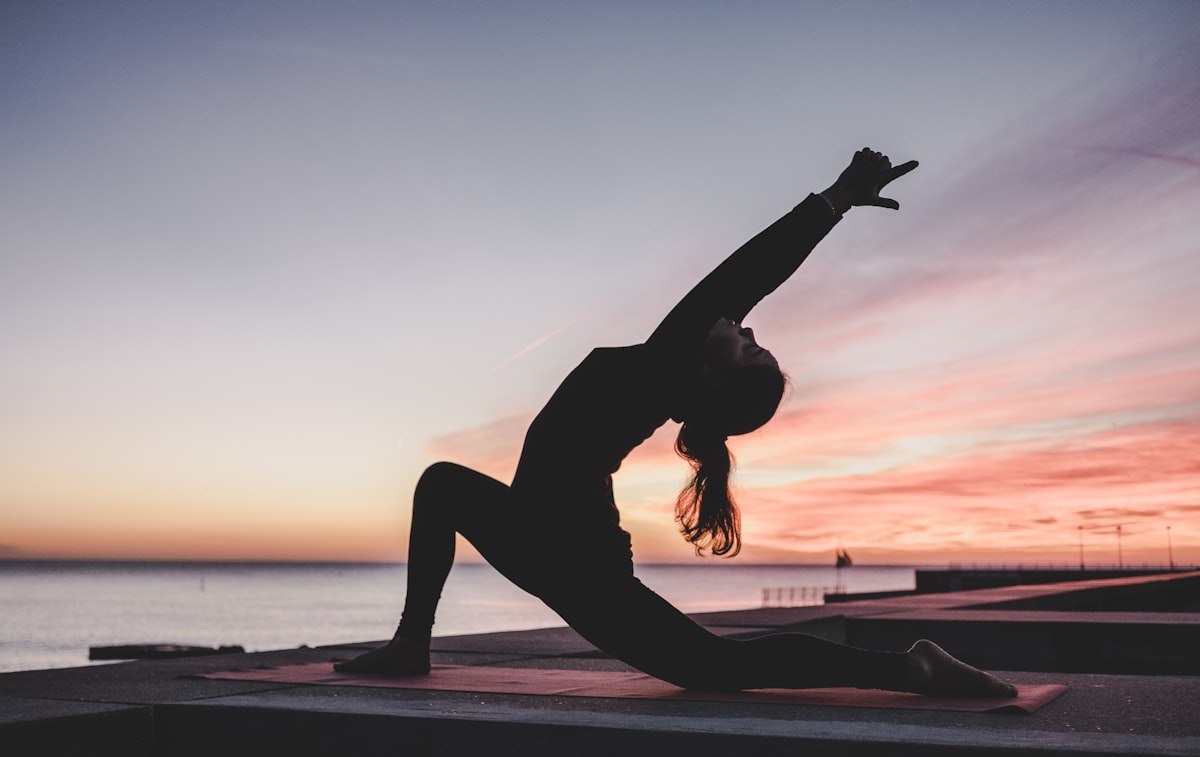
Here’s the science: moderate, rhythmic exercise increases serotonin and GABA — two neurotransmitters that plummet when estrogen drops. Pilates also emphasizes lateral thoracic breathing, which directly stimulates the vagus nerve and shifts the body out of fight-or-flight. This isn’t woo. This is physiology.
But beyond the science, there’s something about being in a small studio with other women — moving slowly, breathing together, working hard in a quiet way — that does something for the spirit. I’ve seen women cry on the reformer. Not from pain. From relief. From being in their body without judgment for the first time in months.
If Pilates can give you that — even once a week — it’s worth showing up for.
What Pilates Can’t Do (And What Else Helps)
I believe in being honest. Pilates is not hormone replacement therapy. It’s not a substitute for medical care, psychiatric support, or nutritional guidance. If your symptoms are severe — debilitating hot flashes, depression, significant bone loss — please work with your doctor. Pilates is one tool. A powerful one. But one of many.
What I recommend alongside consistent reformer practice:
- Walking: 30 minutes a day, especially in the Utah morning light. It regulates circadian rhythm and supports metabolic health.
- Adequate protein: Women in menopause need 1.0-1.2 grams of protein per kilogram of body weight daily to support muscle maintenance.
- Sleep hygiene: Cool bedroom, consistent schedule, limited screens. The basics matter more now.
- Community: Isolation worsens every symptom. Our studio in Utah is small on purpose — because connection heals.
- HRT when appropriate: If your doctor recommends it, hormone therapy combined with strength training is a powerful combination. They work together, not against each other.
Starting (or Restarting) at This Stage of Life
If you haven’t exercised in a while — or if your current routine isn’t serving this chapter — I want you to know something: the reformer is forgiving. It’s designed to support you, literally. You lie down. The carriage moves with you. The springs do some of the work while asking your muscles to do the rest.
You don’t need to be flexible. You don’t need to be fit. You need to begin.
In my studio, I meet every new client with an assessment. Where does your body hurt? What are your goals? What does your menopause look like — because no two experiences are the same. Then we build a plan that respects your starting point and pushes you just enough to grow.
If you’re ready, you can book your first session here. No pressure. Just a starting line.
What My Utah Clients Say
“I came to Bianca because my doctor told me I needed to start strength training for my bones. I stayed because my anxiety dropped, my sleep improved, and I finally feel like myself again.” — Client, age 56, Draper
“I was terrified of the reformer. Now it’s my favorite hour of the week. I’m stronger at 51 than I was at 40.” — Client, Park City
These aren’t outliers. These are what happens when you show up consistently. Two to three times per week, for months. The body responds. The mood lifts. The strength returns.
If you want to see what our class formats look like, they’re on the site — then ask me what’s running this week.
The Bottom Line on Pilates for Menopause Symptoms, Strength, and Mood
Menopause is not a decline. It’s a transition. And transitions require support — not just medical support, though that matters, but physical support. Something that makes you feel strong in your body again. Something that quiets the noise.
Pilates for menopause symptoms, strength, and mood isn’t a tagline. It’s what I witness in my studio every single week along the Wasatch Front. Women rebuilding. Women breathing. Women remembering that their bodies are still capable of extraordinary things.
You are not too late. You are right on time.
— Bianca
Frequently Asked Questions
How often should I do Pilates during menopause?
I recommend two to three reformer Pilates sessions per week for meaningful results during menopause. This frequency supports muscle maintenance, bone density, and consistent nervous system regulation. Even once a week will help, but the compounding benefits come with consistency over time.
Can Pilates help with menopause-related weight gain?
Pilates builds lean muscle mass, which is the most important factor in maintaining a healthy metabolism during menopause. While it won’t counteract hormonal changes on its own, combined with adequate protein intake and daily walking, reformer Pilates supports healthier body composition and reduces age-related muscle loss.
Is reformer Pilates safe if I have osteoporosis or low bone density?
Yes — with proper instruction. Reformer Pilates provides controlled, spring-based resistance that loads the bones safely without high impact. Certain exercises (like heavy spinal flexion) need to be modified for osteoporosis, which is why working with an experienced instructor who understands your health history is essential.
Will Pilates reduce my hot flashes?
Research suggests that regular moderate exercise, including Pilates, can reduce the frequency and intensity of hot flashes and night sweats. Many of my clients in Utah report noticeable improvement after several weeks of consistent practice. Results vary, and severe vasomotor symptoms should also be discussed with your healthcare provider.
I haven’t exercised in years — can I still start Pilates during menopause?
Absolutely. The reformer is one of the most accessible pieces of equipment for beginners because it supports your body while providing resistance. At Alchemize Pilates, every new client begins with an assessment so we can meet you exactly where you are — no fitness background required.

Leave a Reply