
Pilates for Body Dysmorphia: How Reformer Work Builds Positive Body Image From the Inside Out
There’s a moment that happens almost every week in my studio. Someone steps onto the reformer, catches a glimpse of themselves in the mirror, and I see the flinch. The quick look away. The pulling at a shirt hem. I know it because I’ve done it myself. If you’ve ever searched for pilates for body dysmorphia positive body image fitness, you’re not looking for another workout. You’re looking for a way to live inside your own body without the war. And honestly — Pilates might be the closest thing I’ve found to a peace treaty.
This isn’t about “loving your body” on command. That phrase has always felt hollow to me. What I’m talking about is something more earned. More quiet. It’s the slow shift from seeing your body as an enemy to recognizing it as a collaborator. I’ve watched it happen right here along the Wasatch Front — in women from Draper, Sandy, Lehi, and Salt Lake City who walked in hating what they saw and walked out respecting what they felt.
What Body Dysmorphia Actually Feels Like — And Why Most Fitness Spaces Make It Worse
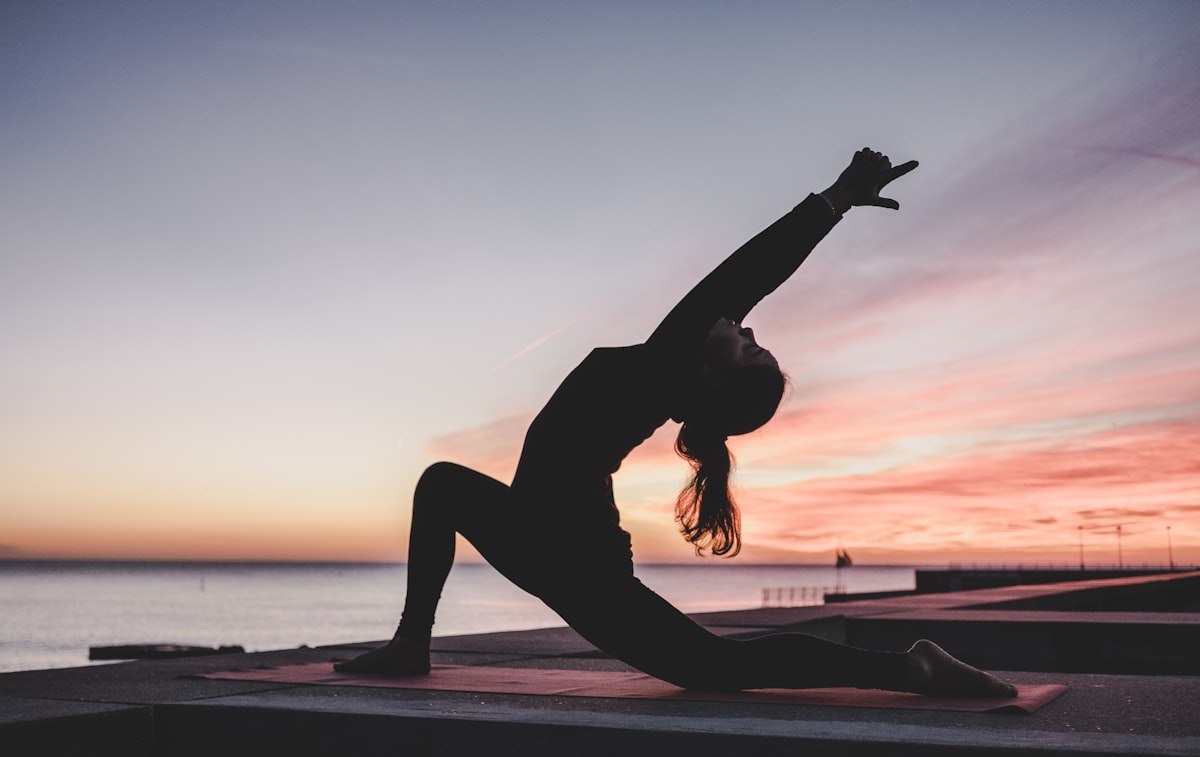
Body dysmorphia isn’t vanity. It’s a distortion — a lens that twists what you see so profoundly that the reflection never matches reality. Clinically, Body Dysmorphic Disorder (BDD) affects roughly 1 in 50 people, according to the Anxiety and Depression Association of America. But subclinical body image distress? That’s nearly universal, especially among women navigating the fitness world.
Most gyms are designed around mirrors, metrics, and comparison. Calorie counts on screens. Before-and-after posters. The implicit message: your body is a problem to be solved. For someone with body image struggles, this isn’t motivating — it’s gasoline on a fire.
I built Alchemize Pilates to be the opposite of that. No leaderboard. No weigh-ins. No “transformation” language. Just the springs, the carriage, the breath, and the work.
Why Pilates for Body Dysmorphia and Positive Body Image Fitness Actually Works
There’s science behind this, and it aligns perfectly with what I see in my studio every day. Let me break it down:
- Interoceptive awareness: Pilates trains you to feel your body from the inside. Where is your pelvis? Are your ribs flaring? Can you engage your pelvic floor without gripping your glutes? This internal focus actively rewires the brain’s attention away from external appearance. A 2018 study in Body Image journal found that interoceptive training significantly reduced body dissatisfaction.
- Functional achievement over aesthetic goals: When you nail a full teaser on the reformer for the first time, you don’t think about how your stomach looked. You think, I did that. These micro-wins build what researchers call embodied competence — the experience of your body as capable, not ornamental.
- Controlled, non-competitive environment: There’s no “winning” in Pilates. The springs resist. You resist back. It’s a conversation between your body and the machine. Nobody is faster. Nobody lifts more. This removes the comparison trigger that worsens dysmorphic thinking.
- Mind-body connection: Joseph Pilates developed his method — originally called “Contrology” — in the 1920s with a radical premise: the mind must direct the body. This mindful movement approach shares principles with somatic therapy and body-based trauma work, both of which are used in treating BDD.
- Nervous system regulation: The controlled breathing and slow, intentional movement in Pilates activate the parasympathetic nervous system. For people whose body image distress triggers anxiety or dissociation, this regulation is profoundly healing.
I’m not a therapist. I want to be clear about that. If you’re experiencing clinical BDD, please work with a licensed mental health professional — ideally one who specializes in cognitive behavioral therapy or body-focused approaches. What I offer is a complementary space. A place where the physical practice supports the psychological healing.
What I See in My Studio: The Slow, Honest Shift

I had a client — let’s call her M — who came to me from a gym in Utah County where she’d been doing intense HIIT training six days a week. She was strong. She was also miserable. She told me she hadn’t worn a sleeveless shirt in three years because she believed her arms were disproportionate. They weren’t. But that didn’t matter — her brain had decided, and no amount of evidence could talk it out of it.
We started with foundations. Footwork on the reformer. Bridging. Arm work with light springs. I didn’t talk about her arms. I talked about her scapulae. Her thoracic mobility. Whether she could feel her lats firing.
Six weeks in, she said something I’ll never forget: “I don’t think about what my arms look like anymore when I’m here. I just think about what they’re doing.”
That’s the shift. It’s not dramatic. It won’t make a good Instagram reel. But it’s real.
I see versions of this story over and over again — from postpartum mothers in Cottonwood who are grieving a changed body, to young women in Sandy who’ve been comparing themselves to filtered images since they were twelve. The reformer doesn’t judge. The springs don’t lie. And in that honest feedback loop, something softens.
This is exactly why I started Alchemize Pilates. I wanted a space where the goal wasn’t to shrink, tighten, or fix. The goal was to feel.
Practical Tips: Building Positive Body Image Through Your Pilates Practice

Whether you practice with me or somewhere else entirely, here are real strategies I give my clients:
- Drop the mirror habit. If your studio has mirrors, practice looking at a fixed point on the ceiling or the foot bar. You don’t need to watch yourself to feel yourself. In fact, watching often disrupts the internal connection.
- Replace aesthetic language with sensation language. Instead of “I want my abs to be flatter,” try “I want to feel my deep core engage and support my spine.” The goal shifts. The experience shifts with it.
- Track function, not form. Keep a simple journal. Write down what you could do: “Held a plank on the reformer for 30 seconds without shaking.” “Felt my obliques for the first time.” These are the wins that rewire your relationship with your body.
- Choose your studio carefully. Avoid spaces that emphasize calorie burn, body shaming language (“earn your brunch”), or competitive structures. Look for instructors who cue from an anatomical and functional perspective.
- Be patient with yourself. Body image doesn’t heal in a six-week challenge. It heals in years of gentle, repeated experiences that teach your nervous system a new story. Pilates is one chapter of that story. A powerful one — but one chapter.
Reformer Pilates vs. Other Fitness Modalities for Body Image Healing
I want to be honest: Pilates isn’t the only movement practice that can help with body image. Yoga, swimming, dance, martial arts — any practice that cultivates mindful, embodied awareness has potential. I don’t believe in claiming one method is the magic answer.
But I do think the reformer offers something unique. The spring resistance creates tangible, objective feedback. You can feel yourself getting stronger in a way that has nothing to do with how you look. The carriage moves. You stabilize. That’s not an opinion — it’s physics. And for someone whose perception of their own body can’t be trusted, that objectivity is a kind of anchor.
Here at Alchemize, my group and private reformer classes are structured to prioritize this somatic experience. I cue breath. I cue bones. I cue the space between your shoulder blades. I rarely cue what anything should “look like” from the outside. That’s intentional.
A Note on the Utah Fitness Culture
I love Utah. I love the mountains, the trails, the fact that people here genuinely care about their health. But I’d be lying if I didn’t acknowledge that Utah also has a particular pressure around appearance. We rank among the highest states for cosmetic procedures per capita. The culture — both religious and secular — can create intense expectations around how bodies should look, especially women’s bodies.
If you’re navigating body dysmorphia or body image struggles in this environment, please know: you are not broken. You are responding normally to abnormal pressure. And there are spaces along the Wasatch Front — including my little studio — where you can move your body without that pressure following you through the door.
Pilates for Body Dysmorphia and Positive Body Image Fitness: The Quiet Revolution
This work won’t trend on social media. Nobody’s going to film a dramatic “glow-up” reel about the moment they stopped hating their reflection. But that moment matters more than any transformation photo ever could.
Pilates for body dysmorphia positive body image fitness isn’t a niche interest. It’s a growing conversation — and a necessary one. Every time someone steps onto a reformer and feels strong instead of scrutinized, the narrative shifts a little. Every time a client leaves my studio and says “I feel good” instead of “I look good,” we’re building something different.
Something better.
If you’re ready for movement that respects you — all of you — I’m here. The springs are loaded. The carriage is waiting. And I promise: you don’t need to look a certain way to belong on it.
— Bianca
Frequently Asked Questions
Can Pilates actually help with body dysmorphia?
Pilates can be a powerful complement to professional treatment for body dysmorphia. By building interoceptive awareness — the ability to sense your body from within — Pilates helps shift focus from appearance to function. This doesn’t replace therapy, especially for clinical BDD, but it provides a consistent, body-positive movement practice that supports healing over time.
Is reformer Pilates better than mat Pilates for body image issues?
Both can help, but the reformer offers unique tactile and proprioceptive feedback through spring resistance. This objective, physical sensation — feeling yourself stabilize, push, and control the carriage — gives your brain evidence of capability that bypasses distorted self-perception. Many of my clients find this tangible feedback especially grounding.
How often should I do Pilates to improve my body image?
Consistency matters more than frequency. Two to three sessions per week is ideal for building the mind-body awareness that supports positive body image. However, even one session per week — practiced with intention and presence — can create meaningful shifts over time. Joseph Pilates himself said, “In 10 sessions you feel the difference.”
What should I look for in a Pilates studio if I struggle with body image?
Look for studios that emphasize functional movement over aesthetics. Avoid spaces that use language about “burning calories,” “earning food,” or dramatic body transformations. Good cues focus on anatomy and sensation — “feel your ribs close,” “press through your heels” — rather than how exercises should look. A welcoming, non-competitive atmosphere is essential.
Can I do Pilates for body dysmorphia alongside therapy?
Absolutely — and I recommend it. Pilates is not a replacement for professional mental health support, but it can be a valuable somatic complement. Many therapists who work with body image issues encourage mindful movement practices like Pilates because they reinforce the nervous system regulation and embodied awareness being cultivated in session.

Bianca is a certified reformer Pilates instructor and the founder of Alchemize Pilates, a boutique studio in Utah dedicated to functional, body-respectful movement. With training in classical and contemporary Pilates methods, she works with clients across the Wasatch Front — from Salt Lake City to Utah County — helping them build strength, awareness, and a healthier relationship with their bodies. She believes fitness should feel like coming home to yourself.
Keep reading
- Reformer Pilates Body Toning Studio Utah
- Full Body Reformer Pilates Workout Utah
- How a reformer Pilates instructor modifies for your body
- Pilates vs CrossFit Body Comparison: Key Differences
- Reformer Pilates for Upper Body Strength: Sculpt Your Arms
- Pilates for Triathletes: Build Unstoppable Endurance
Leave a Reply