
What to Eat Before and After Reformer Pilates Class: A Real Instructor’s Guide
A question worth answering properly is what to eat before and after reformer Pilates class. It’s a deceptively simple question. But the answer matters more than most people realize. What you put in your body directly shapes what your body can do on the reformer. I’ve watched the difference it makes hundreds of times. A well-fueled client moves differently. Breathes differently. Finishes class feeling powerful rather than depleted.
So let me share what I’ve learned — not from a textbook, but from years of teaching, observing, and honestly, from making my own nutrition mistakes on class days.
What to Eat Before Reformer Pilates: Timing and Food Choices
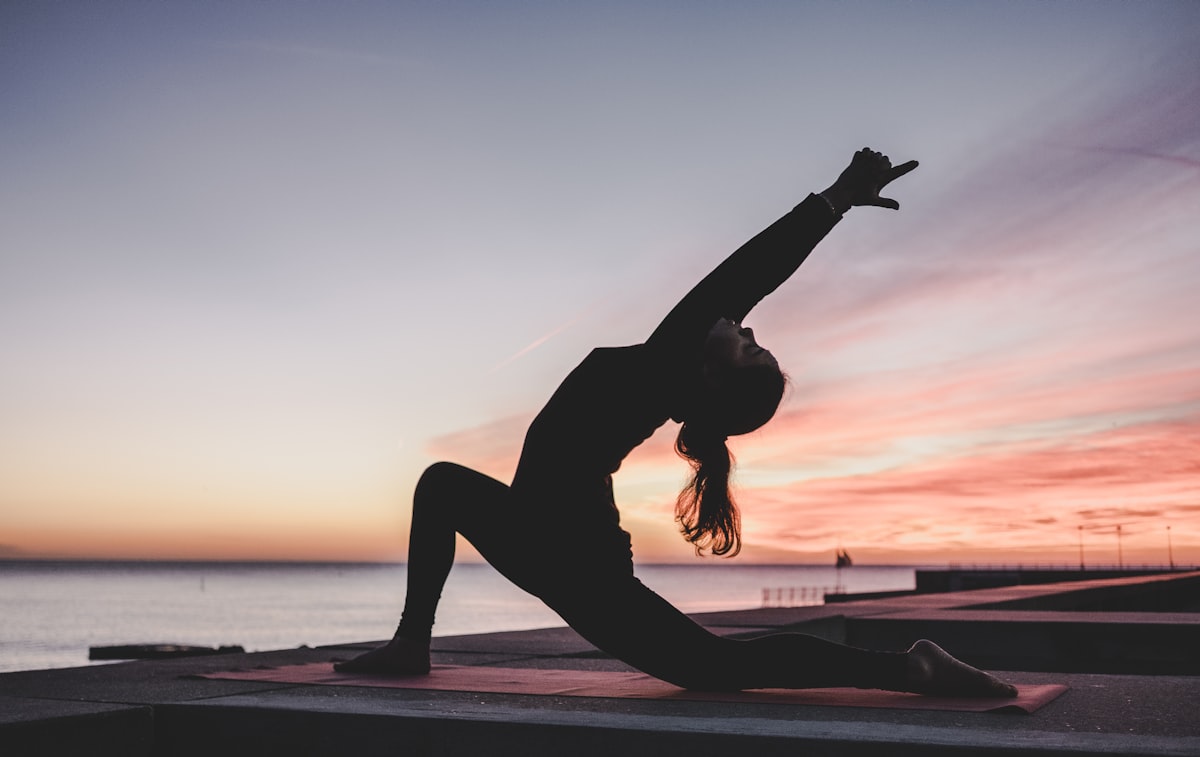
Here’s the truth: reformer Pilates is deceptively demanding. You’re lying down or sitting for much of it, so people assume it’s gentle. It’s not. Your core is engaged the entire time. Your stabilizers are firing. You’re in deep flexion, extension, and rotation — sometimes all in the same breath. That means your digestive system needs to be calm and mostly done working before you start.
I tell every new client — especially those reading my beginner’s guide to your first reformer class — to eat something, but eat smart.
Best Pre-Class Foods
- Banana with a tablespoon of almond or peanut butter — fast-digesting carbs plus a touch of fat and protein
- Oatmeal with berries — sustained energy without heaviness
- Whole-grain toast with a thin spread of avocado — light, nourishing, easy on the stomach
- A small smoothie — blended fruit, a handful of spinach, a scoop of protein powder, and water or almond milk
- Rice cake with honey and a few slices of turkey — simple, quick, effective
Foods to Avoid Before Class
- Large meals or anything heavy in fat — burgers, fried food, creamy pasta. Your body will be focused on digestion instead of movement.
- Raw cruciferous vegetables — broccoli, cauliflower, cabbage. They can cause gas and bloating, which is the last thing you want during abdominal work.
- Sugary energy drinks or candy — a spike followed by a crash mid-class is real, and I’ve seen clients hit that wall on the reformer.
- Dairy, for some — if you’re lactose sensitive, skip the yogurt before class. Trust me.
The timing rule I follow personally: if the meal is larger, I eat 90 minutes to two hours out. If it’s a small snack — like half a banana — 30 to 45 minutes is fine.
Should You Work Out on an Empty Stomach?
This one comes up a lot, especially with my early-morning clients here in Salt Lake City and Lehi who take the 6 or 7 a.m. reformer classes.
Some people swear by fasted workouts. And honestly, for certain types of exercise, it can work. But reformer Pilates requires deep concentration, core stability, and precision. When your blood sugar is low, your focus drops. Your form slips. And that’s where strain and injury can creep in.
I’ve seen it firsthand. A client comes in having skipped breakfast, and by the third series of footwork, she’s lightheaded. Her shoulders start creeping up toward her ears. Her breath gets shallow. We have to pause.
My recommendation: eat something. Even if it’s small. A handful of almonds. Half a banana. A few bites of overnight oats. Your muscles need fuel. Your brain needs glucose. Pilates is a mind-body practice — you need both online.
If you have a medical condition or follow intermittent fasting, consult your doctor. I’m not a registered dietitian. I’m telling you what I observe in the studio, and what the general sports nutrition research supports.
What to Eat After Reformer Pilates Class for Recovery

Post-class nutrition is where the real alchemy happens. Your muscles have been stretched, challenged, and fatigued. Micro-tears in muscle fibers are repairing. This is where growth lives — but only if you give your body what it needs.
The window after a Pilates session is your opportunity. Joseph Pilates himself believed in the connection between physical health and nourishment — he was ahead of his time in many ways when he developed his method in the 1920s.
Ideal Post-Class Meals and Snacks
- Grilled chicken or salmon with roasted vegetables and quinoa — protein, complex carbs, and anti-inflammatory omega-3s
- Eggs with sautéed greens and whole-grain toast — a perfect post-morning-class breakfast
- Greek yogurt bowl with granola, berries, and a drizzle of honey — protein-rich, satisfying, and quick
- A protein smoothie — my personal go-to after teaching back-to-back classes: protein powder, frozen banana, spinach, flax seeds, and oat milk
- Turkey and avocado wrap with mixed greens — balanced macronutrients, easy to prep
- Lentil soup or a grain bowl — hearty, plant-based, and nutrient-dense
The Post-Class Nutrition Window
You’ve probably heard about the “anabolic window” — the idea that you need to eat within 30 minutes of finishing a workout or your gains disappear. The science is more nuanced than that. For most people doing reformer Pilates, eating a balanced meal within 1–2 hours after class is perfectly fine. You don’t need to rush to the car with a protein shake.
That said, if you feel shaky, depleted, or very hungry right after class, listen to that. Grab a snack. A handful of trail mix, a hard-boiled egg, a banana. Then eat a full meal when you’re ready.
Hydration: The Part Everyone Forgets

We live in Utah. The air is dry. The altitude matters. Whether you’re coming from Cottonwood Heights or Utah County, you’re already slightly more dehydrated than someone at sea level. And dehydration affects everything: muscle performance, joint lubrication, mental clarity, and even your fascia’s ability to glide.
My hydration guidelines are simple:
- Before class: Drink 16–20 oz of water in the 2 hours leading up to your session.
- During class: Small sips as needed. Don’t chug a full bottle mid-exercise — it’ll slosh around and make you uncomfortable.
- After class: Rehydrate with 16–24 oz of water. If you sweat heavily, add electrolytes — a pinch of sea salt in your water, coconut water, or an electrolyte tablet.
Bring a bottle and actually drink from it. Hydration is not decorative.
Sample Meal Plans for Reformer Pilates Days
Let me put this together into something practical. Here’s what a typical day of eating might look like if you have a reformer Pilates class on the schedule:
Morning Class (7:00 AM)
- 6:00 AM: Half a banana with a tablespoon of almond butter, 8 oz water
- 7:00–7:50 AM: Reformer Pilates class (small sips of water)
- 8:30 AM: Scrambled eggs with spinach, whole-grain toast, a handful of berries, coffee or tea
Midday Class (12:00 PM)
- 10:30 AM: Oatmeal with walnuts and blueberries, water
- 12:00–12:50 PM: Reformer Pilates class
- 1:30 PM: Grilled chicken salad with quinoa, roasted sweet potato, and tahini dressing
Evening Class (5:30 PM)
- 4:00 PM: Apple slices with almond butter and a small handful of almonds
- 5:30–6:20 PM: Reformer Pilates class
- 7:00 PM: Baked salmon with asparagus and brown rice, herbal tea
These are templates, not rules. Your body is yours. Adjust portions. Swap ingredients. The principles stay the same: light fuel before, real nourishment after.
What I Tell My Clients at Alchemize Pilates
Nutrition is deeply personal. What works for the competitive runner in my Tuesday evening class is different from what works for the postpartum mama in my Wednesday morning session. Bodies are not interchangeable. Neither are food plans.
But the fundamentals hold. Eat before you move. Don’t skip meals and expect peak performance. Hydrate like you live in a desert — because, well, we sort of do. And after class, give your body something real. Not a diet bar. Not a 100-calorie pack. Real food. Protein. Vegetables. Complex carbs. Healthy fats.
If you’re preparing for your first session, I’d love to see you. Book a class at Alchemize Pilates and come in feeling ready — physically and nutritionally. We’ll take care of the rest.
Your body is not just a machine. It’s a conversation. Feed it well, and it speaks back in strength, flexibility, and ease.
Knowing what to eat before and after reformer Pilates class isn’t about perfection or obsession. It’s about respect — for your body, your practice, and the hour you’ve carved out of your busy Utah life to show up on the reformer. Fuel that hour well, and it will fuel you right back.
— Bianca
Frequently Asked Questions

Leave a Reply