What Makes a Good Pilates Studio — and How to Find One Along the Wasatch Front
You’ve decided to try reformer Pilates. Maybe you’ve searched a dozen studios. Maybe you’ve been burned before — overcrowded classes, unclear cues, a teacher who never learned your name. So now you’re asking the real question: what makes a good Pilates studio? It’s a question I’ve thought about for years — first as a student moving through studios that didn’t fit, and then as the founder of Alchemize Pilates, where I built the studio I always wished I’d found here in Utah.
What Makes a Good Pilates Studio: The Non-Negotiables

A good Pilates studio comes down to a handful of things that are harder to find than you’d expect. Here are the qualities that matter most:
- Qualified, attentive instructors — certified through a comprehensive program, not a weekend workshop
- Small class sizes — so corrections actually happen and you aren’t just following along
- Well-maintained equipment — clean reformers, proper spring tension, enough space to move safely
- A clear teaching methodology — grounded in the classical principles Joseph Pilates developed in the 1920s, while adapting to modern body science
- A culture that welcomes every body — not just the flexible or experienced
That last one matters more than people think. I see this with my clients constantly — someone walks in nervous, certain they’ll be the “worst” in class. Within ten minutes, they realize nobody’s watching them. Everyone’s in their own body. That feeling isn’t accidental. It’s cultivated by the instructor, the environment, and the ethos of the space.
Why Instructor Quality Matters More Than Aesthetics
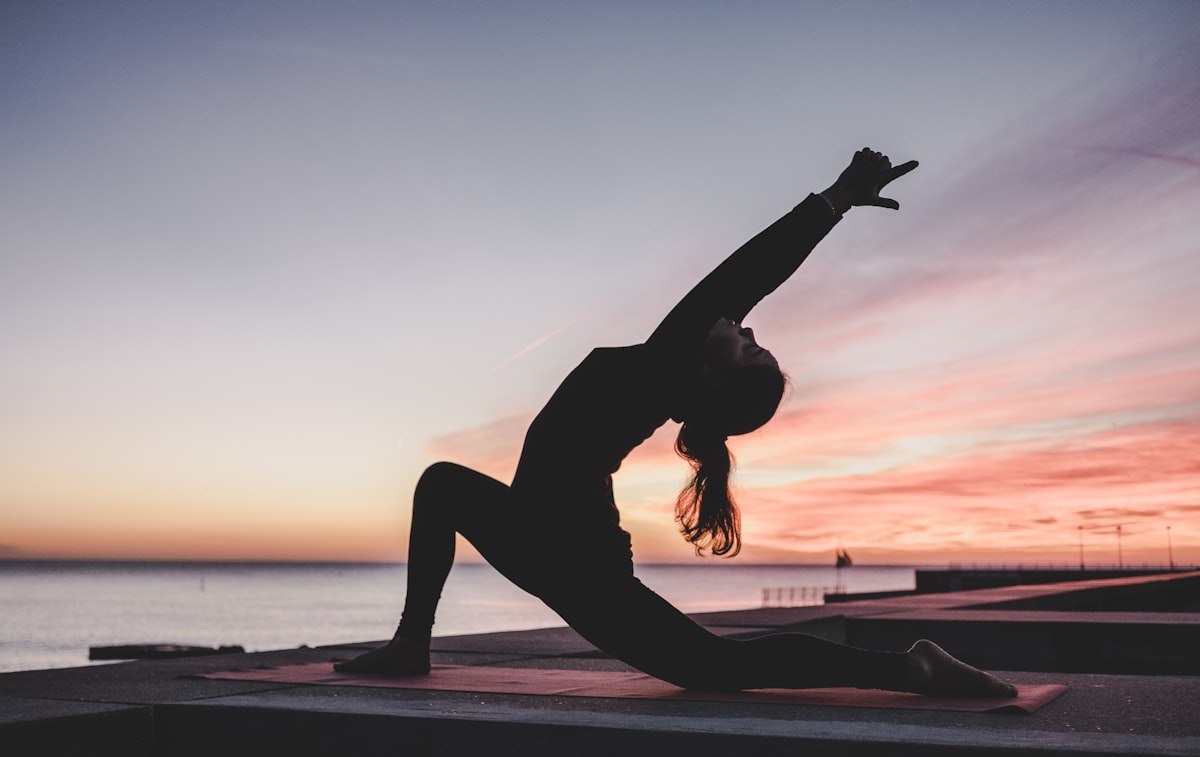
Beautiful studios are everywhere along the Wasatch Front — from Draper to Park City. Instagram-worthy interiors, trendy lighting, curated playlists. None of that means anything if the person teaching can’t see that your hip is hiking during footwork or that you’re gripping your neck in a chest lift.
In my studio, I prioritize eyes on bodies. I keep classes intentionally small. I’ve completed over 500 hours of comprehensive Pilates training, and I still study — because the body is complex and every client teaches me something new. A good instructor doesn’t just demo and count reps. They read your movement, adjust your springs, and know when to push you and when to pull back.
If you’re exploring your options, come look at our class offerings. I designed each format so there’s enough structure to guide you and enough room for me to teach to the bodies in the room — not just a script.
What Makes a Good Pilates Studio Different From a Gym With Reformers
This is a distinction worth making. A lot of fitness chains have added reformer classes. The reformers are often packed tight, the instructors are mic’d up and teaching to a large room, and modifications are general at best. That model works for some people. I won’t pretend otherwise.
But a dedicated Pilates studio — a real one — operates differently. The reformer isn’t just a piece of equipment in a fitness menu. It’s the center of a movement philosophy built on control, precision, breath, concentration, flow, and centering. Joseph Pilates called his method “Contrology.” The machine was designed to be an extension of that discipline, not a trendy prop.
At Alchemize, I teach reformer Pilates as a practice. Not a workout you survive, but a movement practice you build over months and years. Clients who’ve been with me for a year move differently than they did on day one — and not just on the reformer. They carry groceries differently. They hike the Cottonwood canyons differently. Their bodies trust them more.
Ready to experience what a good studio actually feels like?
Book Your First Class at AlchemizeHow to Evaluate a Studio Before You Commit
Here’s what I tell people searching for the right fit — whether they end up at my studio or not:
- Try a single class first. Any studio that requires a large upfront package before you’ve taken a single session is banking on commitment, not quality.
- Watch how the instructor interacts. Do they learn your name? Ask about injuries? Walk the room?
- Notice the class size. More than 12 on reformers and hands-on correction becomes nearly impossible.
- Check credentials. Ask where the instructors trained. Look for comprehensive certifications — BASI, Balanced Body, Stott, Power Pilates, or classical lineage programs.
- Trust your body’s response. After class, you should feel worked but not wrecked. Energized, not depleted. Clearer in your body, not confused.
If you’re in the Salt Lake City, Sandy, Lehi, or greater Utah County area, I’d love for you to see what we’ve built at Alchemize. But honestly — wherever you end up, use these filters. You deserve a studio that earns your trust.
Frequently Asked Questions
What makes a good Pilates studio different from a bad one?
A good Pilates studio prioritizes qualified instructors, small class sizes, well-maintained equipment, and a welcoming environment. A poor studio relies on large classes, under-trained staff, and a one-size-fits-all approach that ignores individual bodies and limitations.
How many people should be in a reformer Pilates class?
Ideally, a reformer class should have no more than 10-12 participants. This allows the instructor to observe form, offer hands-on adjustments, and provide meaningful modifications for injuries or different fitness levels.
What certifications should a Pilates instructor have?
Look for instructors with comprehensive certifications from reputable programs like BASI Pilates, Balanced Body, Stott Pilates, Power Pilates, or classical lineage training. Comprehensive programs require 400-600+ hours of study, practice teaching, and anatomy coursework — far more rigorous than a weekend workshop.
Is reformer Pilates better at a dedicated studio or a gym?
Both can offer value, but a dedicated Pilates studio typically provides more specialized instruction, better-maintained reformers, and smaller class sizes. The instructors at a dedicated studio are usually more experienced and trained specifically in Pilates methodology rather than general group fitness.
How do I find a good Pilates studio near me in Utah?
Start by reading reviews, checking instructor credentials, and visiting for a single trial class. Along the Wasatch Front — from Salt Lake City to Utah County — look for studios that keep classes small, welcome beginners, and have instructors who ask about your body and goals before class starts.
Understanding what makes a good Pilates studio is the first step toward a practice that actually changes your body and your life. Don’t settle for pretty. Settle for real. And if you’re ready to feel the difference, come move with us at Alchemize.
— Bianca

Bianca is a comprehensively certified Pilates instructor with over 500 hours of training in reformer, mat, and apparatus work. She founded Alchemize Pilates to bring intentional, body-informed movement to the Wasatch Front community. When she’s not teaching, she’s hiking the Cottonwood canyons or studying the latest in movement science. Learn more about Bianca →