Pilates Instructor Certifications: What to Look For Before You Book a Class
If you’ve ever Googled Pilates instructor certifications what to look for, you’re already doing something most people skip — and I respect that. Choosing the right instructor isn’t a small thing. Your body deserves someone who has earned the privilege of guiding it. Whether you’re here in Sandy, along the Wasatch Front, or searching from Park City, this page will help you understand exactly what separates a well-trained Pilates teacher from someone who took an online weekend course and pressed “print.”
I’m Bianca, and I built Alchemize Pilates on the belief that credentials matter — not to gatekeep, but because real education keeps people safe and helps them actually transform.
What to Look For in Pilates Instructor Certifications

Not all certifications are created equal. Some programs clock in at 16 hours. Others demand 900+. That gap changes everything — how an instructor reads your body, modifies exercises on the fly, and understands the biomechanics behind every spring and strap on the reformer.
Here’s what I encourage every potential client to ask about:
- Total training hours. The gold standard is 450+ hours. Joseph Pilates developed this method in the 1920s as a comprehensive movement system — it deserves a comprehensive education.
- Accreditation. Is the program recognized by the PMA (Pilates Method Alliance) or a nationally recognized fitness education body like NCCA?
- Apparatus training. Did the instructor train on the reformer, Cadillac, chair, and barrel — or just on a mat?
- Anatomy and pathology education. Can they work with clients managing scoliosis, herniated discs, or post-surgical recovery?
- Supervised teaching hours. Reading about cueing is not the same as doing it under a mentor’s watch.
Why Pilates Teacher Credentials Matter More Than You Think
I see this with my clients all the time. Someone comes into my studio after months at another facility — frustrated, still in pain, or feeling like Pilates “didn’t work.” Nine times out of ten, the issue wasn’t Pilates. It was the instruction.
A well-certified instructor does things you’ll never consciously notice. They adjust the springs before you feel the strain. They watch your sacrum when you think they’re watching your arms. They know the difference between productive challenge and harmful load on a healing body.
This is why I invested in extensive reformer Pilates certification, continuing education in pre- and postnatal movement, and mentorship under teachers with decades of experience. You can read more about my background and training philosophy on my about page.

Red Flags to Watch for When Choosing a Pilates Instructor
Not everything that’s wrong is obvious. But here are the warning signs I’d want my own mother to know about:
- No verifiable certification. If an instructor can’t tell you the name of their program and its accrediting body, walk out.
- Cookie-cutter classes with no modifications. Every body is different. Every single one. A trained instructor offers variations without being asked.
- “More is more” mentality. Pilates is about precision and control, not burnout. If your instructor is pushing you toward shaking exhaustion every session, their training may be fitness-based, not Pilates-based.
- No intake questions. A responsible instructor asks about injuries, surgeries, and goals before you touch a reformer.
- Dismissing pain. “Push through it” has no place in a Pilates studio. Full stop.
What You’ll Experience at Alchemize Pilates
At Alchemize, I teach reformer Pilates the way it was meant to be taught — with intention, anatomical awareness, and genuine care for the person on the carriage. My classes along the Utah County and Salt Lake corridor are small by design. I keep them intimate so I can see you. Actually see you.
Whether you’re postpartum, recovering from an injury, training for a ski season in the Cottonwood canyons, or simply wanting to move with less pain and more strength — the quality of instruction matters. Explore our current class formats and find a session that fits your life.
Ready to Experience the Difference Real Training Makes?
Book your first reformer class at Alchemize Pilates. Small classes. Expert instruction. Your body will know the difference.
View Classes & BookUnderstanding Pilates instructor certifications what to look for isn’t about being picky — it’s about being wise. Your body is the only home you’ll live in for your entire life. Hand the keys to someone who has truly earned them.
— Bianca
Frequently Asked Questions About Pilates Instructor Certifications
How many training hours should a certified Pilates instructor have?
A comprehensive Pilates certification program typically requires 450 to 900+ hours of training, including anatomy coursework, practice teaching, observation hours, and hands-on apparatus education. Programs under 200 hours are generally considered insufficient for safe, effective instruction.
What is the Pilates Method Alliance (PMA)?
The PMA is the international professional association and certifying body for the Pilates method. They offer a nationally recognized certification exam and maintain education standards for Pilates teacher training programs. A PMA-certified instructor has passed a rigorous, standardized test of knowledge and competency.
Can someone teach Pilates without a certification?
Legally, yes — Pilates instruction is not regulated by the government in most states, including Utah. This is exactly why it’s so important for clients to ask about certifications themselves. A lack of minimum requirements makes your own due diligence essential.
What’s the difference between a mat certification and a full apparatus certification?
A mat certification covers floor-based Pilates exercises only. A comprehensive or full apparatus certification includes training on the reformer, Cadillac (trapeze table), Wunda chair, and barrels. Reformer Pilates studios should employ instructors with comprehensive training, not mat-only credentials.
What certifications does the instructor at Alchemize Pilates hold?
Bianca, the founder and lead instructor at Alchemize Pilates, holds a comprehensive reformer Pilates certification with continuing education in pre- and postnatal movement. You can learn more about her training and teaching philosophy on the about page.
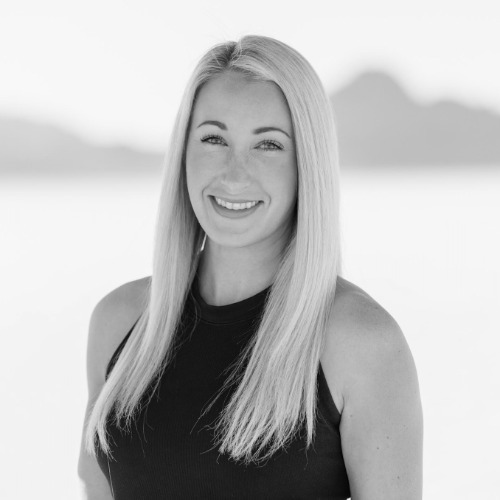
Bianca is a certified reformer Pilates instructor based in Utah, serving clients across the Wasatch Front from Salt Lake City to Utah County. She founded Alchemize Pilates to bring intentional, expert-led movement education to her community — one precise, powerful session at a time. When she’s not teaching, you’ll find her in the Cottonwood canyons or studying the latest in movement science.