If you’re looking for reformer Pilates for absolute beginners who have never exercised in Utah, this page is for you. Not the person returning to fitness. The person who has never had a fitness routine at all — who has walked past studio windows on the Wasatch Front and thought, everyone in there already knows what they’re doing. You don’t need to know anything. You need one class and someone willing to slow down.
What actually happens in your first class on the machine
Here’s the direct answer: you’ll lie down on a padded carriage, learn to breathe, and push against light spring resistance with your legs. Nothing explosive. Nothing overhead. The reformer supports your spine the entire time, which is why it’s one of the safest possible entry points into movement for a body that has never trained.
Joseph Pilates developed this method in the early twentieth century, and rehabilitation was part of its story from the start. That history matters. Reformer Pilates was never designed for athletes first. It was designed for people who needed to rebuild.

Why the reformer suits a true beginner better than a gym
A gym asks you to already know something. Which machine, which weight, how many. A reformer asks you to follow one instruction at a time while lying down. That difference is everything when you’ve never exercised.
| What worries beginners | How the reformer handles it |
|---|---|
| “I have no core strength.” | The carriage and footbar hold your alignment so you can find the muscle before you load it. |
| “I can’t get up and down off the floor easily.” | Most foundational work happens lying on the carriage at bench height. |
| “I’ll be out of breath in two minutes.” | Springs move with you. Pace is controlled, not chased. |
| “I’ll do it wrong.” | Small-group and private formats mean you get corrected early, before a habit sets. |
If you want the full walk-through — what to wear, grip socks, where to put your hands, what the straps do — I wrote it all out in my beginner’s guide to your first reformer Pilates class in Utah. Read it before you come. It takes the unknown out of the room. And if you’ve trained before and just want to know how Pilates works for a beginner, my general guide to Pilates for beginners in Utah is the better starting point. This page is for people starting from zero.
Who this is for — and who it isn’t
This is a good fit if you:
- Have never had a consistent exercise routine, at any age
- Sit at a desk in Salt Lake City, Lehi or Draper and feel it in your hips and neck
- Have been cleared to move by a doctor or physical therapist but don’t know where to start
- Want strength without impact, jumping, or heavy load
- Prefer being taught over being pushed
Be honest with me if you:
- Are in acute pain or unmanaged injury — see a medical provider first, then come to me
- Want fast weight loss above all else. Pilates builds control and strength. It’s a poor tool for urgency.
- Thrive on loud, high-intensity group energy. Some people genuinely need that. I’d rather send you somewhere honest than keep you somewhere quiet.
Starting reformer Pilates in Utah with zero fitness background
Most beginners assume the hard part is strength. It isn’t. The hard part is breath. Almost everyone new to movement breathes high into the shoulders, which locks the ribs and makes the abdominals over-recruit at the surface. So the first thing I teach isn’t an exercise. It’s exhaling long enough that the low ribs soften down.
The second thing: new movers tend to want to go faster than their nervous system does. Progress is usually steadiest when you let the work be boring for a few weeks. Two or three sessions a week is plenty. Expect four to six weeks before a movement stops feeling foreign and starts feeling like yours. That’s normal for any body learning a brand-new skill — it isn’t a sign you’re behind.
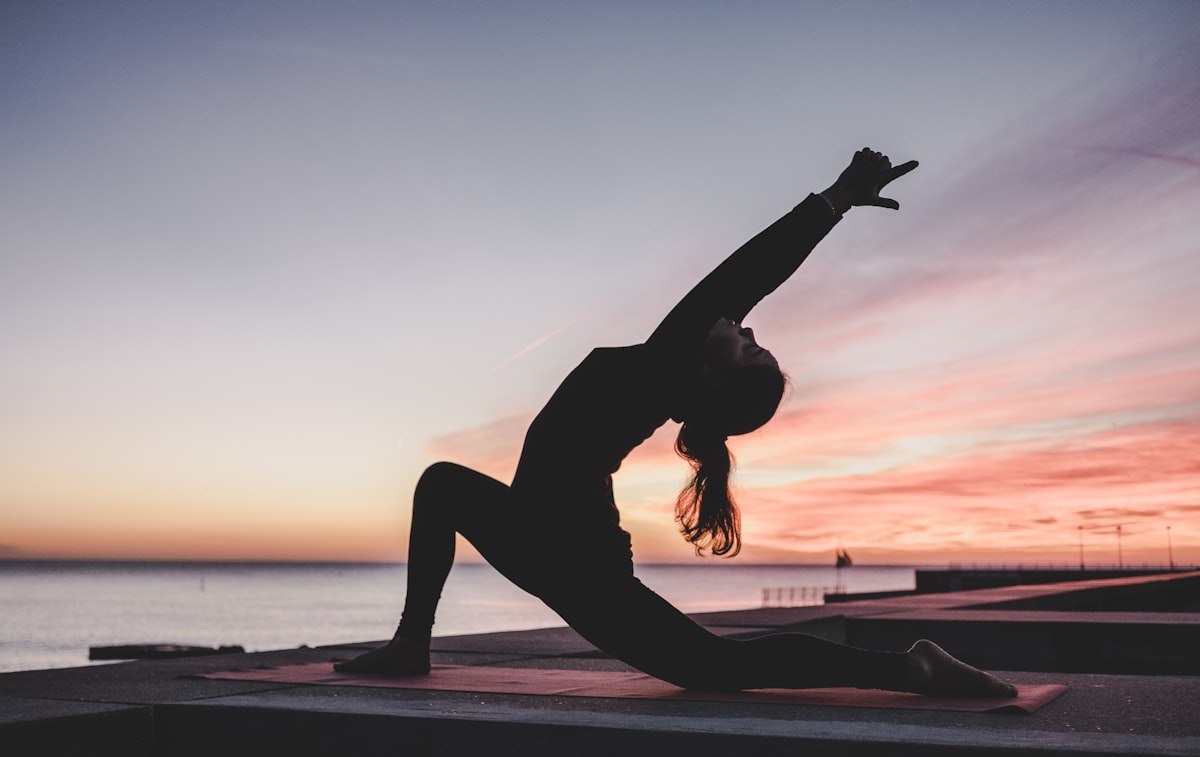
How I teach first-timers in my studio
I’m a certified reformer Pilates instructor, and my approach with a brand-new mover is boring on purpose. I watch three things before I add anything: whether your ribs stay connected when your arms move, whether your knees track over your feet under spring load, and whether you can keep breathing while you work. If any of those three falls apart, we don’t progress. We stay.
One practical piece of advice: pick a studio you can reach on a Tuesday when you’re tired. For a lot of beginners, a long drive ends a routine faster than the difficulty does. Consistency beats intensity every single time.
You can look at the class formats to see how the foundational work differs from the faster ones, and whether starting one-on-one or in a small group feels more like you.
Not sure which starting point fits a body that’s never trained? Tell me a little about yourself and I’ll point you honestly — even if that means somewhere other than here.
Get in touchYour first step, without the pressure
You don’t have to get fit before you start. That’s the whole misunderstanding. Reformer Pilates for absolute beginners who have never exercised in Utah begins with lying down, breathing out, and pushing a carriage away with your legs. That’s it. If you’re ready to stop reading about it, reach out and ask about openings and I’ll tell you what’s currently available and what I’d recommend for a true first-timer.
— Bianca
Do I need any fitness base before my first reformer class?
No. The reformer supports your spine and the springs scale to whatever you can produce today. Foundational work is taught from a lying or seated position, one cue at a time. Having no background is not a disadvantage — it means no habits to undo.
Will I be the only beginner in the room?
Beginners are a normal part of a reformer studio, not an exception. Foundational formats are built specifically for people learning the machine. If being watched is the real fear, starting one-on-one solves it — message me and I’ll tell you what’s open.
How often should a complete beginner do reformer Pilates?
Two to three sessions a week is a sound starting rhythm for a new mover, with rest days between. More isn’t better early on, because the skill you’re building is control, and control needs recovery. Once a week still helps, it just moves slower.
Is reformer Pilates safe if I have back or knee issues?
Often yes, and the apparatus history supports that — the original equipment was developed partly for rehabilitation. But get cleared by your doctor or physical therapist first, then tell me exactly what they said. I’d rather modify from real information than guess.
What should I bring to my first session?
Fitted clothing you can move in, grip socks if you have them, and water. Skip anything baggy — I need to see your ribs and hips to cue you well. Arrive a few minutes early so I can set your springs and footbar before we begin.

About Bianca
I’m a certified reformer Pilates instructor and the founder of Alchemize Pilates, teaching along Utah’s Wasatch Front. I care most about getting people onto the reformer for the very first time — slowly, precisely, and without ego. If you’ve never exercised, you’re not behind. You’re just early.