
Pilates for Hormonal Balance: What Women Over 35 Actually Need to Know
Somewhere around 35, your body starts rewriting its own rules. Sleep shifts. Energy dips. Weight settles in new places. Mood becomes a weather system you can’t predict. If you’ve landed here looking for answers about Pilates for hormonal balance women over 35, I want you to know something right away: you are not broken. Your body is doing exactly what it’s designed to do — adapt. The question is whether you’re moving in a way that supports that adaptation, or fighting against it. After years of teaching women across the Wasatch Front — from Sandy to Draper to Park City — I’ve watched what the right kind of movement can do. And I’ve watched what the wrong kind can do, too.
What’s Actually Happening to Your Hormones After 35
In short: After 35, women experience a gradual decline in estrogen and progesterone, increased cortisol sensitivity, and shifts in thyroid function and insulin response. These hormonal changes affect sleep, mood, metabolism, and muscle recovery — making the type and intensity of exercise critically important.
Here’s what nobody told you in your twenties: hormones don’t just affect reproduction. They regulate nearly everything — how you metabolize food, how deeply you sleep, how your brain processes stress, how your joints recover after a workout, even how your gut works.
After 35, your ovaries begin producing less estrogen and progesterone. This doesn’t happen overnight. It’s a slow shift called perimenopause that can last a decade or more before menopause. During this window:
- Cortisol sensitivity increases. Your stress response amplifies. High-intensity workouts that used to feel empowering can start flooding your system with more cortisol than you can clear.
- Progesterone drops first. This is your calming hormone. Its decline can trigger anxiety, disrupted sleep, and that feeling of being permanently “wired but tired.”
- Estrogen fluctuates wildly before it declines. This causes irregular cycles, brain fog, joint stiffness, and shifts in where your body stores fat.
- Insulin resistance creeps in. You may notice your body doesn’t handle sugar or carbs the way it used to.
- Thyroid function can slow. Many women in their late 30s and 40s develop subclinical hypothyroid symptoms even with “normal” labs.
I share this not to overwhelm you, but because understanding what’s happening underneath changes everything about how you should move.

Why Pilates for Hormonal Balance Works for Women Over 35
Not all exercise is created equal — especially during hormonal transition. I see this with my clients every week.
A woman in her late 30s comes in after years of HIIT classes, boot camps, or long-distance running. She’s exhausted but can’t sleep. She’s training harder than ever but gaining weight. Her doctor says everything looks fine. She feels like she’s losing her mind.
She’s not. She’s just overstressing a system that’s already under hormonal stress.
Here’s why Pilates — specifically reformer Pilates — is so effective during this season of life:
It Lowers Cortisol Instead of Spiking It
Pilates operates in a moderate intensity zone. You’re working hard — there’s no question about that — but you’re not sending your nervous system into overdrive. The breath-focused, controlled nature of the practice activates your parasympathetic nervous system. That’s your “rest and digest” state. When cortisol stays elevated chronically, it suppresses progesterone, disrupts thyroid function, and promotes visceral fat storage. Pilates helps you build without burning out.
It Builds Lean Muscle Without Joint Stress
As estrogen declines, so does its protective effect on joints, bones, and connective tissue. I’ve worked with women along the Cottonwood corridor and in Lehi who suddenly developed knee pain, hip tightness, or shoulder issues they never had before. The reformer creates resistance through springs — not impact. You load muscles without grinding joints. This is especially important for women over 35 who need to preserve bone density (resistance training is the single best intervention) without accumulating injury.
It Regulates the Nervous System
Joseph Pilates originally called his method “Contrology” — the study of control. Every movement requires precision, concentration, and conscious breath. This isn’t just exercise philosophy. It’s neuroscience. Focused, mindful movement has been shown to improve vagal tone, which directly influences hormonal signaling, digestion, heart rate variability, and emotional regulation. In my studio, I watch women walk in frazzled and walk out centered. That’s not magic. It’s the nervous system resetting.
If you’re curious about what a session actually looks like, I break down our approach on the about page.
The Exercises That Matter Most for Hormone Health
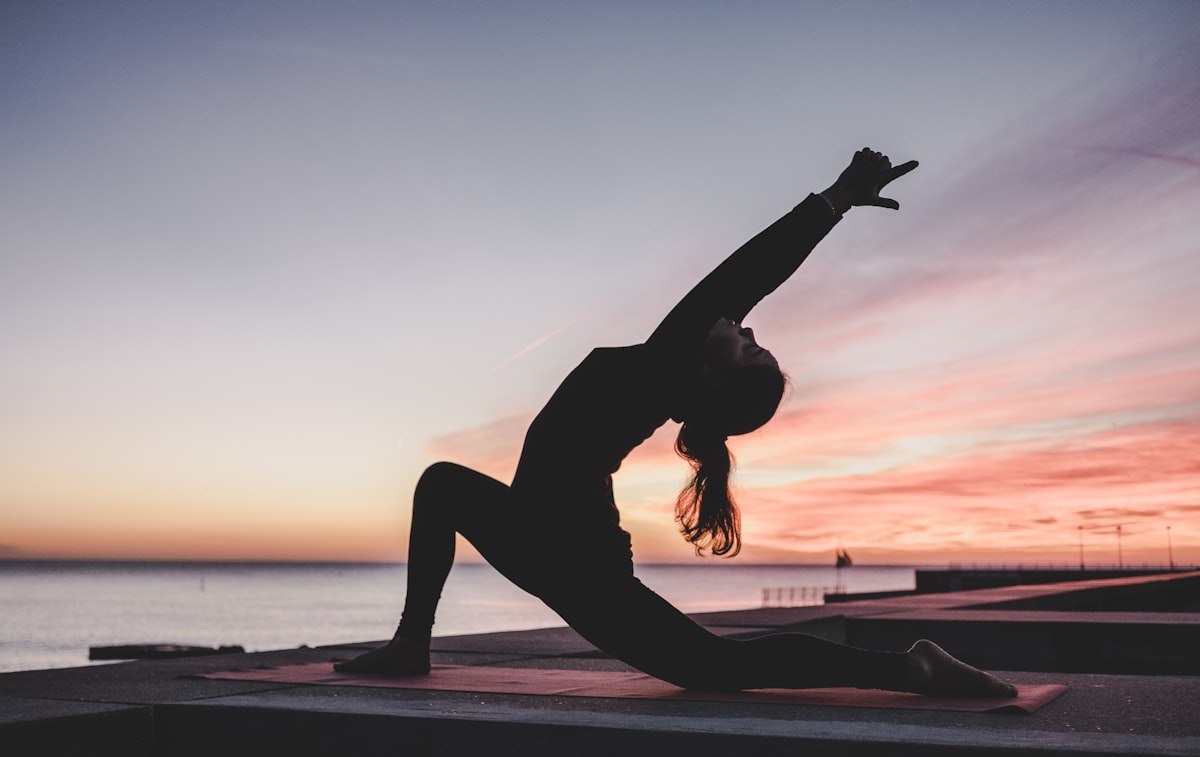
Not every Pilates move is equally beneficial when your goal is hormonal support. Here’s what I prioritize for my clients over 35:
Pelvic Floor Work
The pelvic floor is deeply responsive to hormonal shifts. Declining estrogen can weaken these muscles, leading to incontinence, pelvic pain, and diminished core stability. Reformer exercises like footwork variations, bridges, and supported leg circles strengthen the pelvic floor without the excessive bearing-down pressure of heavy lifting.
Spinal Articulation
Exercises like roll-downs, cat-cow variations on the reformer, and the short spine massage mobilize every segment of the spine. This matters for hormone health because spinal mobility directly affects the autonomic nervous system — the master regulator of hormonal communication between the brain and body.
Full-Body Resistance Chains
Long-lever exercises like pulling straps, arm circles, and the reformer lunge series create resistance across multiple muscle groups simultaneously. This type of training triggers beneficial growth hormone release and improves insulin sensitivity — both critical for women navigating perimenopause and beyond.
Breath-Centered Core Work
Forget crunches. The deep core — transverse abdominis, diaphragm, multifidus, pelvic floor — responds to breath patterning more than brute force. I teach lateral rib cage breathing because it reduces the cortisol-triggering shallow chest breathing that so many stressed women default to. When you breathe better, you regulate better.
We integrate all of these into our class offerings at Alchemize. Every session is designed with this level of intention.
What I Tell My Clients About Pilates for Hormonal Balance Women Over 35
I’ll be direct with you. Pilates alone won’t fix your hormones. I’d be dishonest if I said otherwise.
Hormonal health is a whole-picture situation. Sleep matters enormously — more than most women realize. Nutrition matters, especially protein intake and blood sugar stability. Stress management outside the studio matters. Working with a knowledgeable healthcare provider who takes your symptoms seriously matters. Functional medicine practitioners, naturopaths, and endocrinologists who specialize in women’s hormonal health can be game-changers. If you’re in the Salt Lake City area, we have incredible practitioners along the Wasatch Front doing this work.
What Pilates does is give your body the right kind of physical stimulus during a vulnerable time. It’s the exercise piece of a bigger puzzle — but it’s a powerful piece.
I’ve had a client in her early 40s tell me that after three months of consistent reformer Pilates, her sleep improved before anything else changed. Another woman in Sandy noticed her anxiety lifted — not completely, but enough that she felt like herself again. A client in Utah County came back to tell me her doctor was surprised by how much her inflammatory markers had improved.
I don’t attribute all of that to Pilates alone. These women were also eating well, sleeping intentionally, and managing stress. But the movement mattered. It was the piece that made everything else click into place.

How Often Should You Practice?
More is not always better — especially for hormonal health. I typically recommend:
- 2-3 reformer Pilates sessions per week as your primary strength and mobility work
- Daily walking — 20 to 40 minutes. Walking is profoundly underrated for cortisol regulation and lymphatic flow.
- 1-2 restorative sessions per week — gentle stretching, yoga, breathwork, or even just lying on the floor with your legs up the wall for 10 minutes
- Occasional higher intensity if you enjoy it and recover well — but not daily, and not as your foundation
The biggest shift I ask women to make? Stop measuring the value of a workout by how wrecked you feel afterward. The best workout for a woman over 35 is one that leaves you energized — not depleted. Strong — not destroyed.
Getting Started at Alchemize Pilates in Utah
If you’re in Utah — anywhere along the Wasatch Front from Lehi up through Salt Lake City to Park City — you’re welcome here. We work with women at every stage of hormonal transition, from their mid-30s through menopause and beyond.
You don’t need to be flexible. You don’t need prior experience. You don’t need to have it all figured out. You just need to start.
You can book your first session here. I’d love to meet you and talk about what your body actually needs right now — not what fitness culture tells you it should need.
Choosing Pilates for hormonal balance women over 35 isn’t a trend. It’s a thoughtful, evidence-aligned response to what your body is asking for. And when you listen — when you stop fighting and start supporting — everything begins to shift. Not just your hormones. Your relationship with your body itself.
— Bianca
Frequently Asked Questions
Can Pilates actually help balance hormones in women over 35?
Pilates doesn’t directly produce or regulate hormones, but it creates conditions that support hormonal balance. By lowering cortisol, improving insulin sensitivity, activating the parasympathetic nervous system, and building lean muscle through moderate-intensity resistance, reformer Pilates gives your endocrine system the environment it needs to function more optimally — especially during perimenopause.
Is Pilates better than HIIT for women over 35?
It depends on the individual, but for many women over 35 experiencing hormonal shifts, Pilates is a better foundation than daily HIIT. High-intensity training can chronically elevate cortisol, which suppresses progesterone and disrupts sleep. Pilates provides the resistance training benefits women need for bone density and metabolism without the excessive stress response. Some HIIT can still be appropriate — just not as your everyday baseline.
How many times per week should I do Pilates for hormonal health?
Two to three reformer Pilates sessions per week is ideal for most women over 35 focused on hormonal balance. Pair this with daily walking and one to two restorative sessions (gentle stretching or breathwork) for a well-rounded approach that supports your nervous system and endocrine health.
What are the signs that my exercise routine is hurting my hormones?
Warning signs include persistent fatigue despite adequate sleep, worsening insomnia, increased anxiety or irritability, weight gain (especially around the midsection) despite consistent exercise, irregular or missing periods, prolonged muscle soreness, sugar cravings, and feeling “wired but tired.” If your workouts leave you depleted rather than energized, it may be time to reassess your intensity and volume.
Do I need to be experienced in Pilates to start at Alchemize?
Not at all. Many of our clients in Utah are complete beginners when they walk through the door. We teach every movement from the ground up, modify for your body and your needs, and meet you exactly where you are. Whether you’re 35 or 65, your first session is about learning your body — not performing.

Keep reading
- Pilates for Women Over 50 Utah Wasatch Front
- Reformer Pilates for strength: serving Utah women
- Reformer Pilates for Beginners Over 40: How to Start Safely
- Pilates for Balance and Fall Prevention Exercises
- Pilates for Parkinson’s: Better Balance and Movement
- How reformer Pilates programming progresses: serving Utah
Leave a Reply