If you spend your days cueing gait, grading exercise and watching other people’s bodies compensate, you already know what most people never learn: movement quality is a skill, and skills degrade when you stop practicing them on yourself. Pilates for physical therapists continuing education wellness Utah is the phrase people search when they want both — sharper hands-on movement literacy and a body that survives a full clinic schedule. I teach reformer Pilates along the Wasatch Front, and clinicians are some of the most interesting bodies I get to work with.
What a clinician actually gains from time on the reformer
Here is the short answer, in about fifty words: reformer Pilates gives physical therapists a spring-loaded, closed-chain environment to feel the movement patterns they cue all day. You experience eccentric control, scapular mechanics, breath-to-brace sequencing and hip dissociation from the inside. That felt sense sharpens observation, refines cueing language, and rebuilds the practitioner’s own load tolerance.
Notice the framing. This is a wellness and skill-building practice, not a credentialing program. I am a certified reformer Pilates instructor, not a continuing education provider, and I am not going to tell you this session counts toward your licensure hours. What I can tell you is that clinicians consistently find the reformer clarifies things a textbook cannot.

Why movement professionals in Utah keep circling back to Pilates
Joseph Pilates developed this method in the 1920s, and he built it around resistance, control and breath long before rehab science had language for motor control or the deep stabilizer system. The springs do something a dumbbell cannot: they give variable resistance through range, so the end of a movement is loaded differently than the start. That is a teaching tool.
Utah makes the case even better. Between skiing Little Cottonwood in winter and trail running the foothills the rest of the year, people here load their bodies hard on weekends after sitting or standing in awkward postures all week. If you practice in Salt Lake City, Sandy, Draper, Lehi or Park City, you are already translating between those two worlds every day. Pilates lives right in the middle of it.
Patterns I watch for — and what they teach about cueing
This is the part clinicians tend to find most useful, so I’ll be specific about method rather than vague about benefits.
- Shoulder breathers over-recruit the outer abs. If the ribs flare and the chest lifts on inhale, the obliques are doing postural work they were never meant to sustain. Change the breath first; the bracing cue usually stops being necessary.
- Footwork exposes hip dissociation faster than any screen. A light spring and slow tempo will show you whether someone owns hip flexion independent of lumbar flexion. No hands required.
- Springs reveal cheating that gravity hides. On a mat, momentum covers a lot. On a carriage, a rushed return means the eccentric never happened — and the eccentric is where most of the adaptation lives.
- The people who progress fastest let the work be boring. Small range, honest tempo, no performance. That is true for athletes, for desk workers, and for clinicians.
Clinician wellness: the part nobody schedules
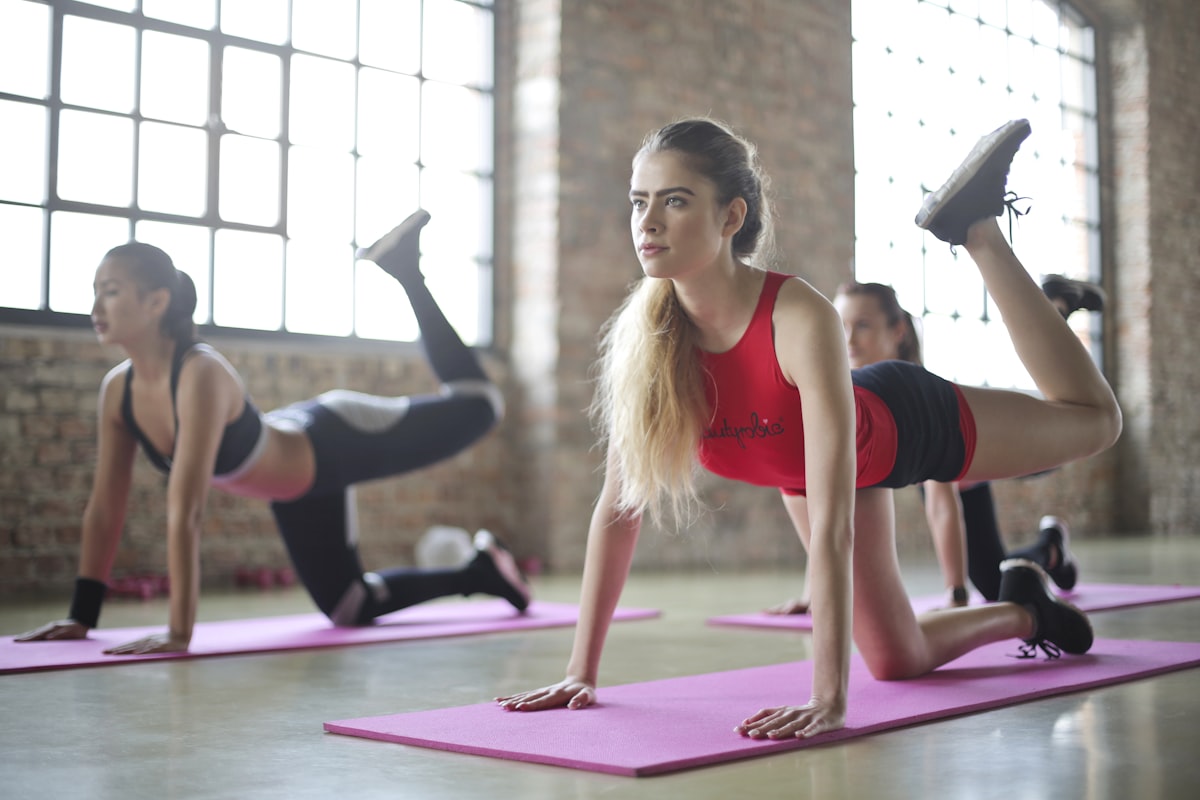
Manual therapy is physical labor. Thumbs, wrists, low back, cervical extensors — the load is real and it is repetitive. Most people who treat bodies for a living take better care of their patients than themselves, and the tissue eventually files a complaint.
Reformer work is well suited to that problem because it can be scaled down without becoming pointless. Low spring, supported spine, controlled range: you can train under load on a day when you have nothing left. That is not a claim about outcomes — it is a description of how the equipment behaves.
| What you want | How Pilates addresses it |
|---|---|
| Sharper observation and cueing | Feeling the pattern in your own body before you name it in someone else’s |
| Load tolerance for clinic days | Closed-chain, spring-resisted strength through the hips, scapulae and trunk |
| Recovery without rest days | Scalable resistance and supported positions for depleted days |
| Breath and autonomic downshift | Lateral rib breathing paired to movement tempo |
How to start if you work in healthcare along the Wasatch Front
Begin with the formats. You can see the class formats to understand how small-group reformer work, one-on-one private sessions and online programs differ in structure and attention. Clinicians often prefer privates at first, simply because you will want to stop and ask questions about spring tension and sequencing — and that is a conversation, not a class.
If you’d like to know more about my background and how I teach, my about page covers it. And when you’re ready, get in touch and tell me what your week actually looks like. I’ll tell you honestly whether what I offer fits what you’re after.
Curious whether this fits your schedule and your body?
Message me and I’ll tell you what’s currently open.
An honest word before you commit
Pilates is not the only answer, and I won’t pretend otherwise. If you need loaded barbell strength, go get it. If you need hands-on care for your own neck, go see a colleague. Pilates is exceptional at motor control, breath mechanics, spinal articulation and connective-tissue resilience — and it is genuinely useful as a professional movement literacy practice. It is not a replacement for rehabilitation, heavy strength training, or medical care.
That honesty matters more with clinicians than with anyone else, because you can tell when a claim is inflated. If you’re exploring pilates for physical therapists continuing education wellness Utah, come at it as what it is: a practice that refines your eye, protects your working body, and gives you a felt vocabulary for everything you cue. Reach out and we’ll figure out whether it’s the right fit.
— Bianca
Frequently asked questions
Does Pilates at Alchemize count as continuing education credit for my license?
No. I am a certified reformer Pilates instructor, not an accredited continuing education provider, and I don’t issue CEU credit. What I offer is professional movement literacy — the chance to feel the patterns you assess and cue every day. If credit hours are the requirement, pursue an accredited course and treat this as practice, not paperwork.
Is reformer Pilates useful if I already know anatomy and biomechanics?
Often more useful, not less. Knowing a pattern and feeling it are different kinds of knowledge, and the spring load makes compensations obvious in your own body. Many movement professionals find that experiencing eccentric control on a carriage changes how they cue it verbally.
Should I start with a private session or a small-group class?
If you want to interrogate spring tension, sequencing and why a cue is worded a certain way, a private session gives room for that conversation. Small-group classes suit you better once you want consistent training rather than explanation. Reach out and describe what you’re after and I’ll give you an honest recommendation.
What does Pilates cost at your studio?
I don’t publish rates here because they change. Get in touch and I’ll send you what’s current, along with what’s actually open. That way you get accurate information rather than something outdated on a page.
I work long clinic days and I’m exhausted. Is this too much?
Reformer work scales well in both directions. Lighter springs, supported positions and shorter range let you train under load on a low day rather than skipping movement entirely. Tell me what your week looks like and we can plan accordingly.

Bianca — Founder & Lead Instructor, Alchemize Pilates
I’m a certified reformer Pilates instructor teaching along Utah’s Wasatch Front. I care about precision, honest progressions, and teaching people to feel their own movement rather than just perform it. Alchemize offers small-group reformer classes, one-on-one private sessions and online programs. Ask about openings.